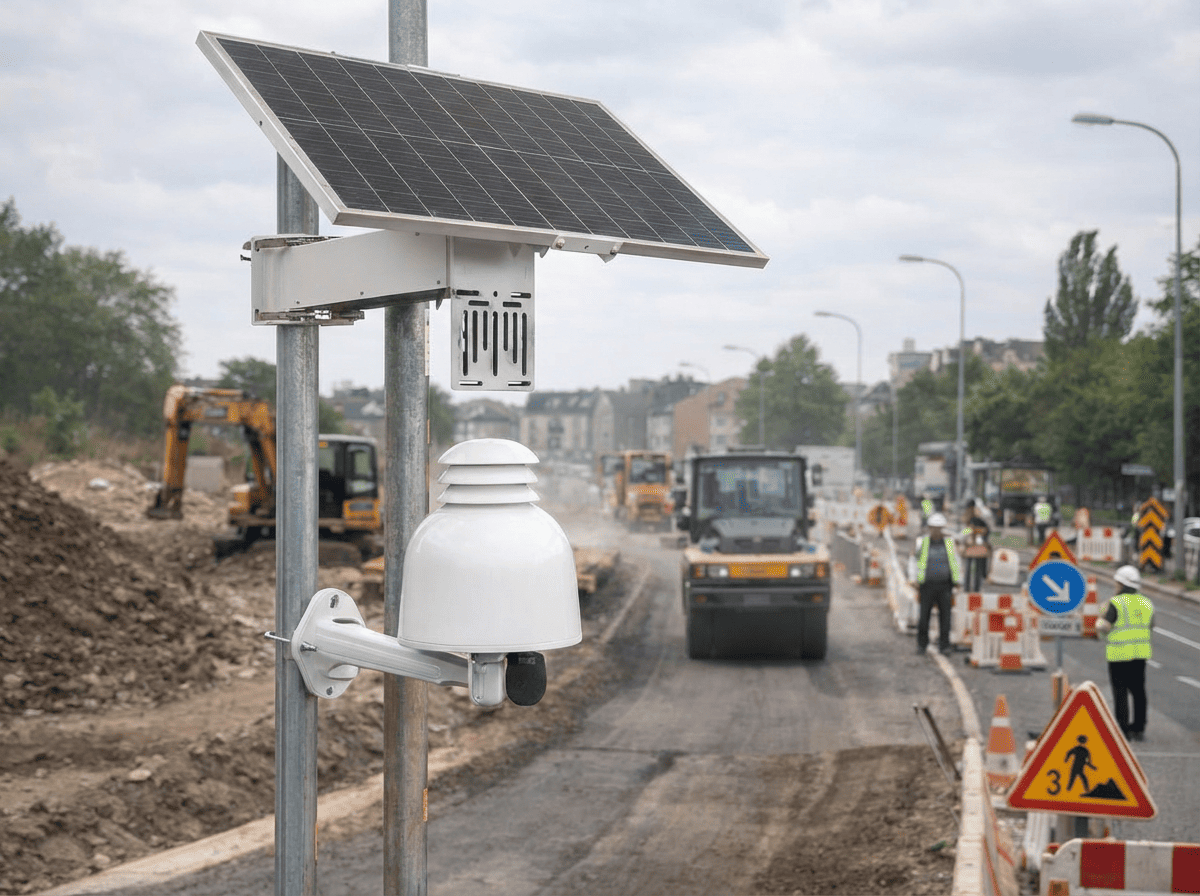
Aernode Air Quality Monitor

Outdoor Air Quality Monitoring Station

Aernode is a compact, multi-pollutant monitoring station designed for continuous ambient air measurement across urban, industrial and environmental deployments.
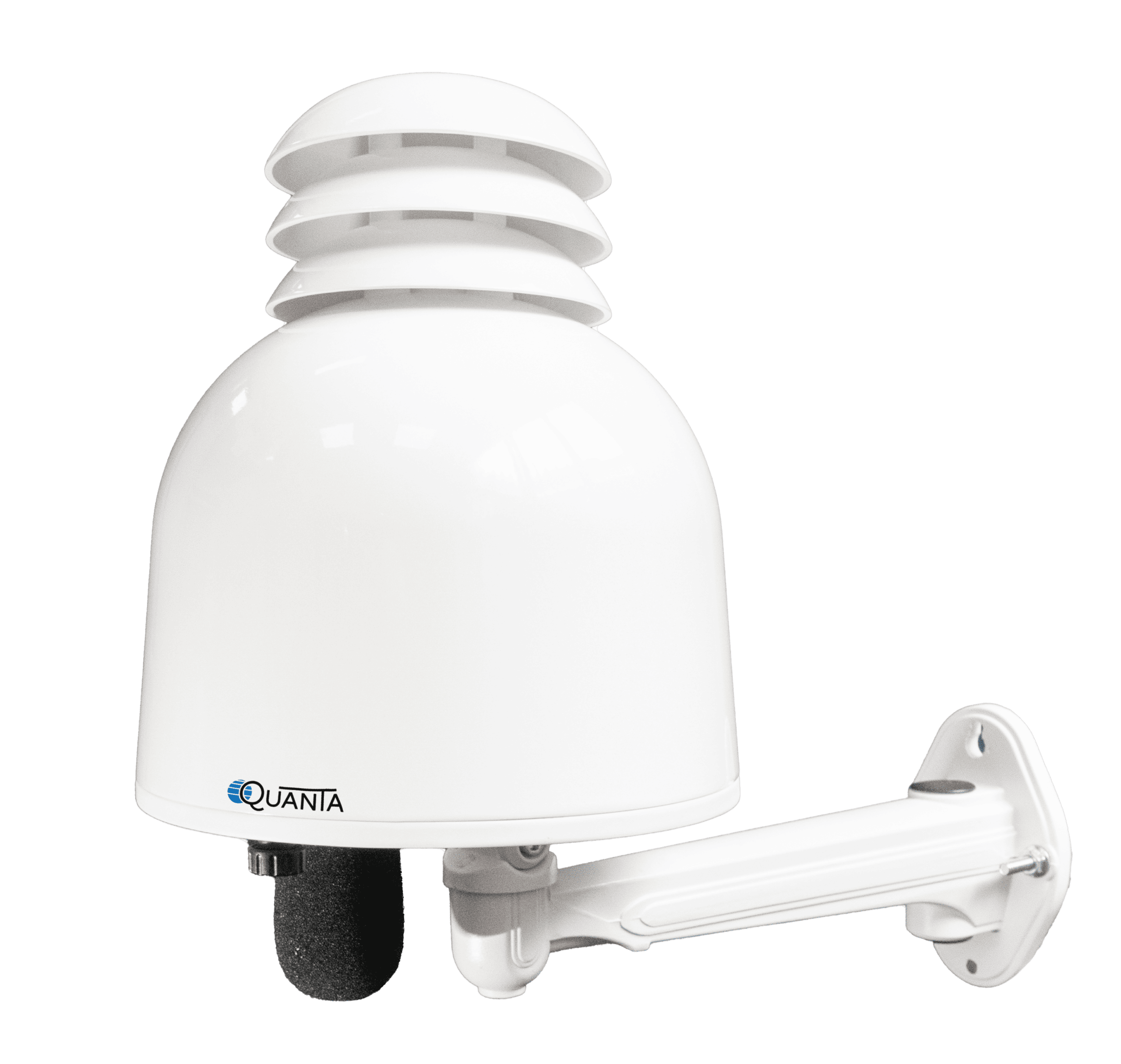

Core board PM · CO₂ · TVOC · Noise
Sensor deck NO₂ · O₃ · CO · SO₂ · H₂S · NH₃ · and more
External sensors Wind · Rain · Solar radiation
Accurate Data

Reliable measurements designed to support continuous monitoring and environmental analysis.
Multi Pollutant

Modular configurations for ambient air, gases and environmental parameters.
Smart Maintenance

Quick-swap sensor replacement kits help reduce downtime and simplify field servicing.

Remote Management

Bidirectional connectivity for remote configuration, diagnostics and operational control.

Technical Overview

Modular by design, configurable by project

Aernode combines a compact outdoor base station with configurable sensing layers, allowing each unit to be adapted to different monitoring scenarios.

Base Station

Connectivity
Multiband Cellular
Wi-Fi · Modbus RTU (RS485)
Transmission Frequency
30 sec to 60 minutes
GNSS
GPS · GLONASS · Galileo · BeiDou
Power Supply | Consumption
5–15 Vdc | 2–6 W
Enclosure
Polymer Composite · IP55 weatherproof
Operating Range
–20 °C to +50 °C | 0 to 95% RH
Weight & Size
950 g · 200 × 250 mm

Configurable Sensors

Built-in Sensors
Environmental baseline Air Temperature · Relative Humidity · Atmospheric Pressure
Core Sensor Board
Standard sensing layer PM10 · PM4 · PM2.5 · PM1 · CO₂ · TVOC Index · Sound Level Meter
Sensor Deck
Optional gas expansion module NO₂ · O₃ · CO · SO₂ · NO · H₂S · NH₃ · Cl₂ · HCl · PH₃ · HCN · H₂O₂ · ETO · TVOC PID · and more
External Sensors
Weather and environmental modules Rain Gauge · Wind Speed and Direction · Solar Radiation
Sensor Deck Compatibility

Configure gas sensing around project requirements

Aernode Lite and Aernode Pro share the same outdoor base station and Core Sensor Board.
The Sensor Deck is Aernode’s gas-sensing module and can be configured with different sensor combinations according to project requirements.

Explore Sensor Kits
up to 4 gas sensors

Essential gas sensing

Focused Sensor Deck configuration for projects requiring a selected set of additional gas and VOC measurements.

NO₂ O₃ CO TVOC PID
up to 8 gas sensors

Extended gas sensing

Extended Sensor Deck configuration for multi-pollutant projects, industrial monitoring and application-specific gas detection.

NO₂ O₃ CO SO₂ NO H₂S NH₃ Cl₂ HCl PH₃ HCN H₂O₂ ETO TVOC PID

The list above represents a selection of supported sensors. A complete and up-to-date list of compatible sensing options is available upon request.

Applications

Monitoring scenarios

Aernode can be configured for different operational objectives, from dense urban monitoring networks to industrial perimeter control, event investigation and temporary site monitoring.

Hyperlocal & Distributed Networks

Deploy multiple monitoring points to capture local air quality variations, compare areas and support high-resolution environmental awareness.

Pollution Source & Fenceline Monitoring

Monitor localized variations near industrial perimeters, roads, plants or operational hotspots to support source investigation and site oversight.

Odour & Event Investigation

Support the analysis of short-term events through continuous monitoring, historical data and contextual information.

Construction & Dust Monitoring

Track site-related air quality variations during temporary, high-impact or dust-generating activities with flexible deployment options.

Application Fit

Configure Aernode for your monitoring site

Select the right sensor setup, connectivity option and data workflow for the specific environment you need to monitor.

Discuss your application
Installation

Designed for quick outdoor deployment

Aernode devices can be mounted across urban, industrial and environmental settings with flexible installation options and simple field integration.
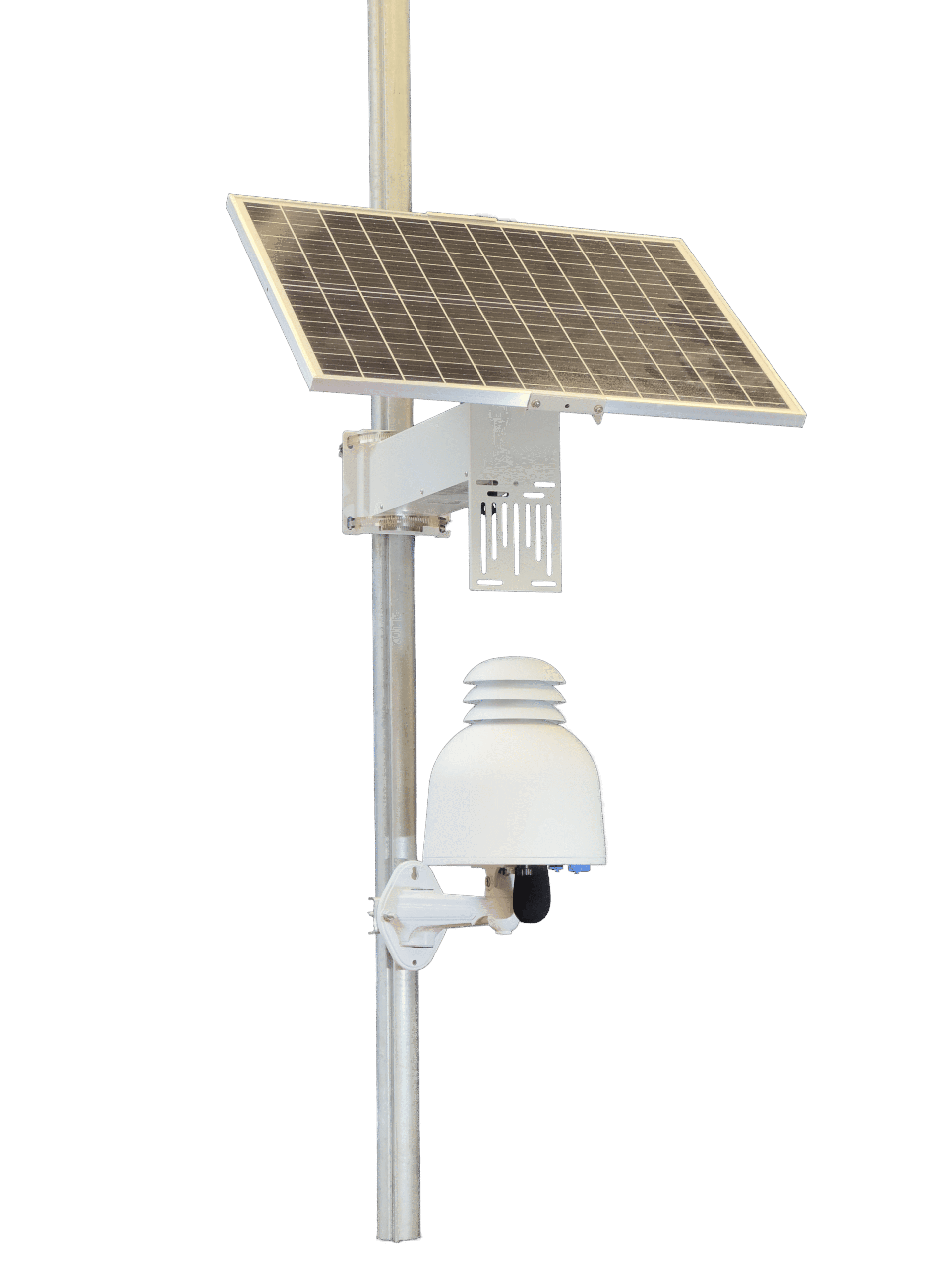
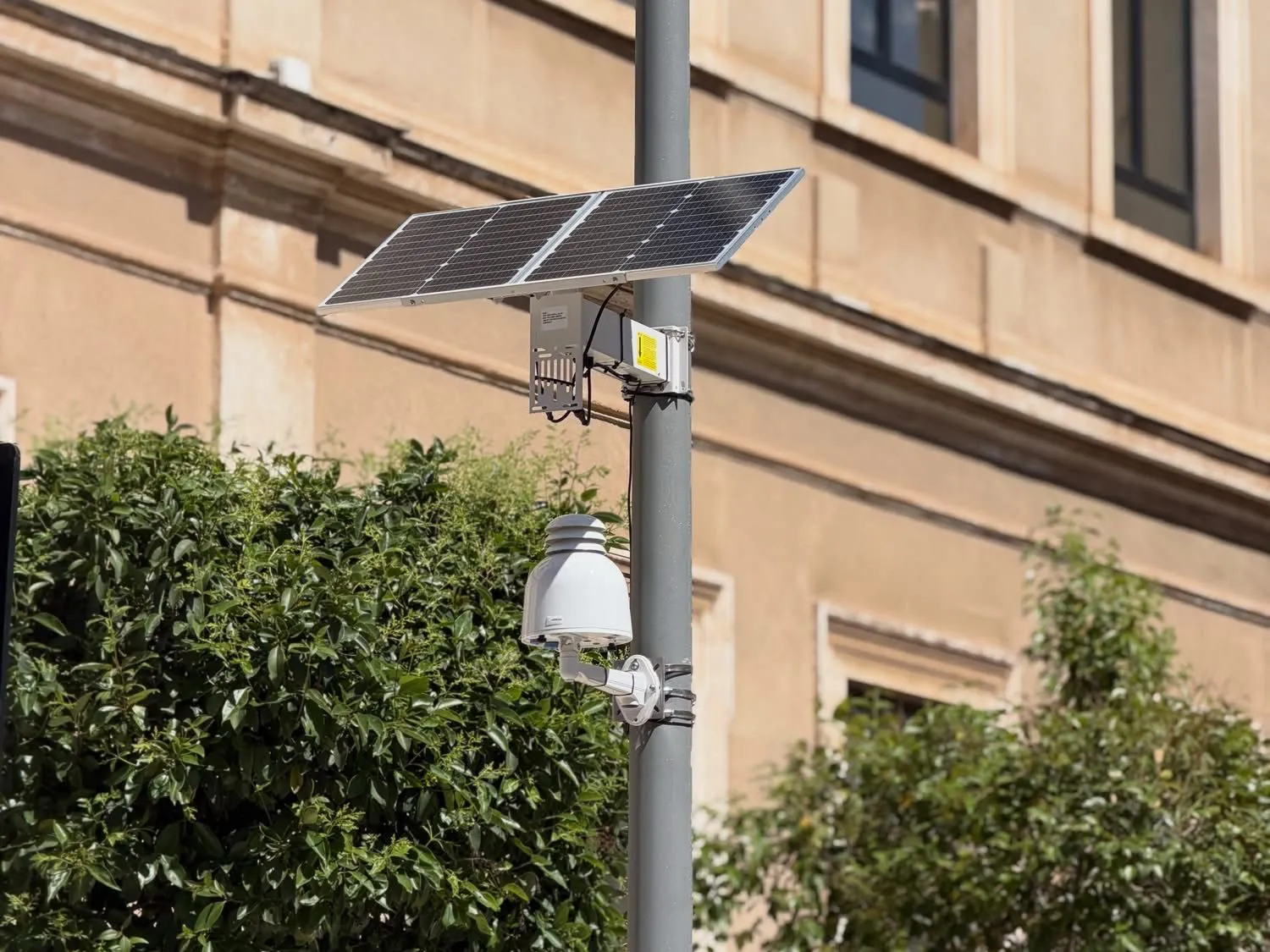
Pole installation

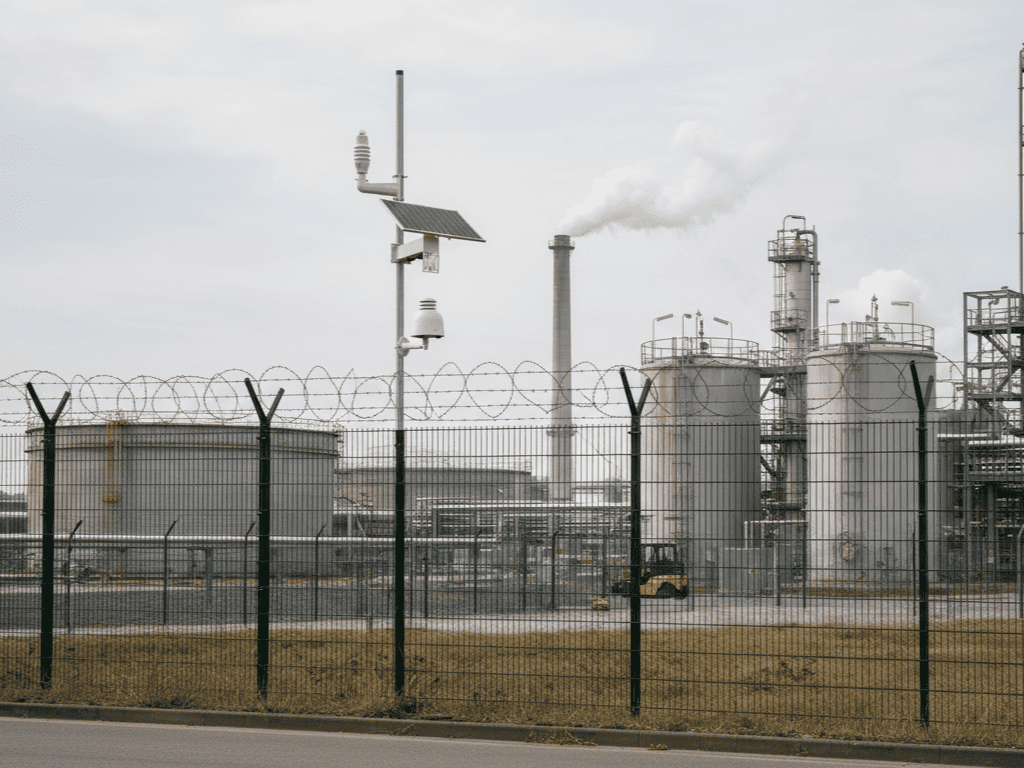
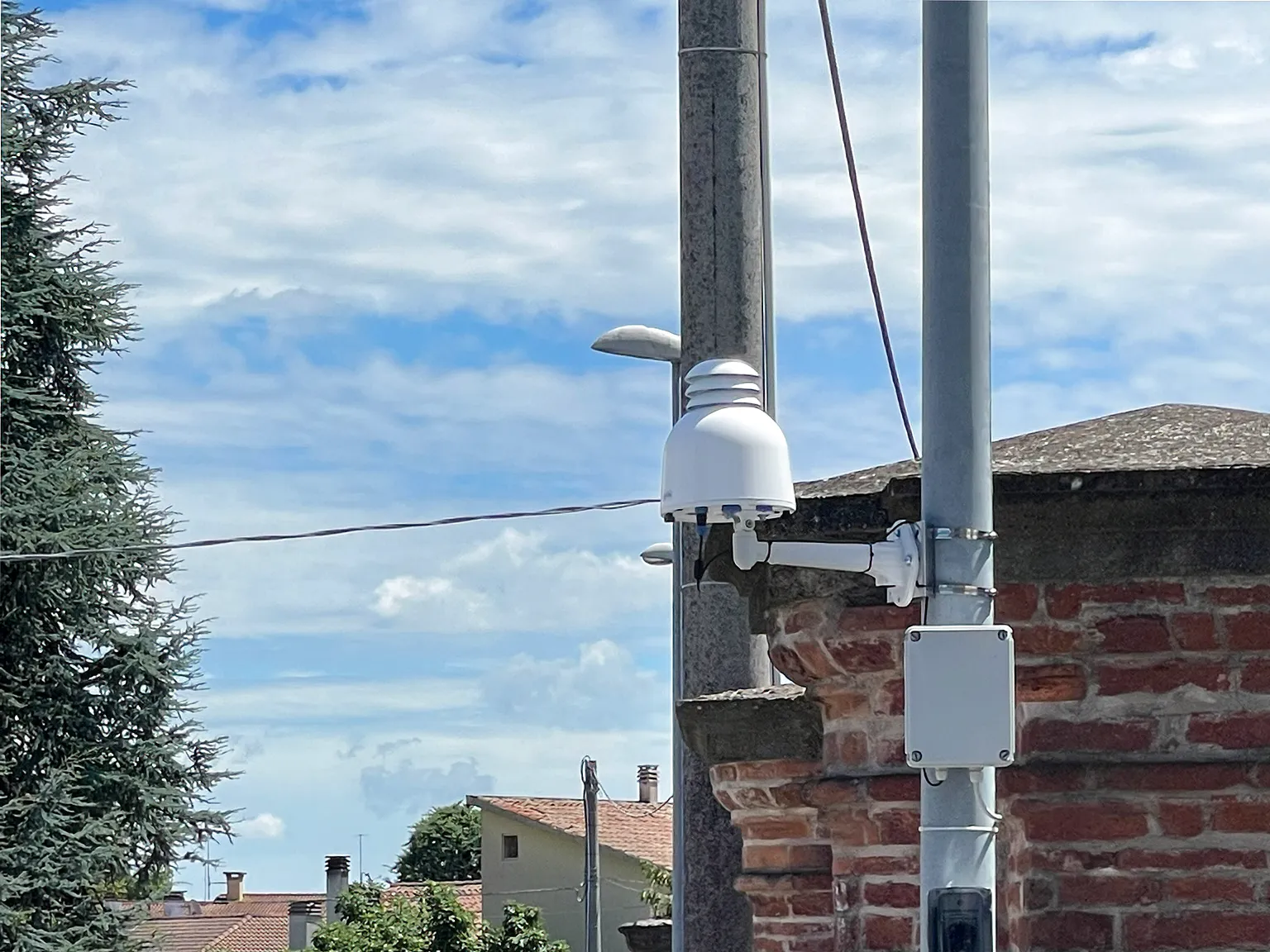
Mounting on standard poles for roadside and perimeter monitoring.
Public lighting

Integration on lighting poles for distributed urban deployments.
Traffic light pole

Compact form factor for traffic-related and roadside applications.
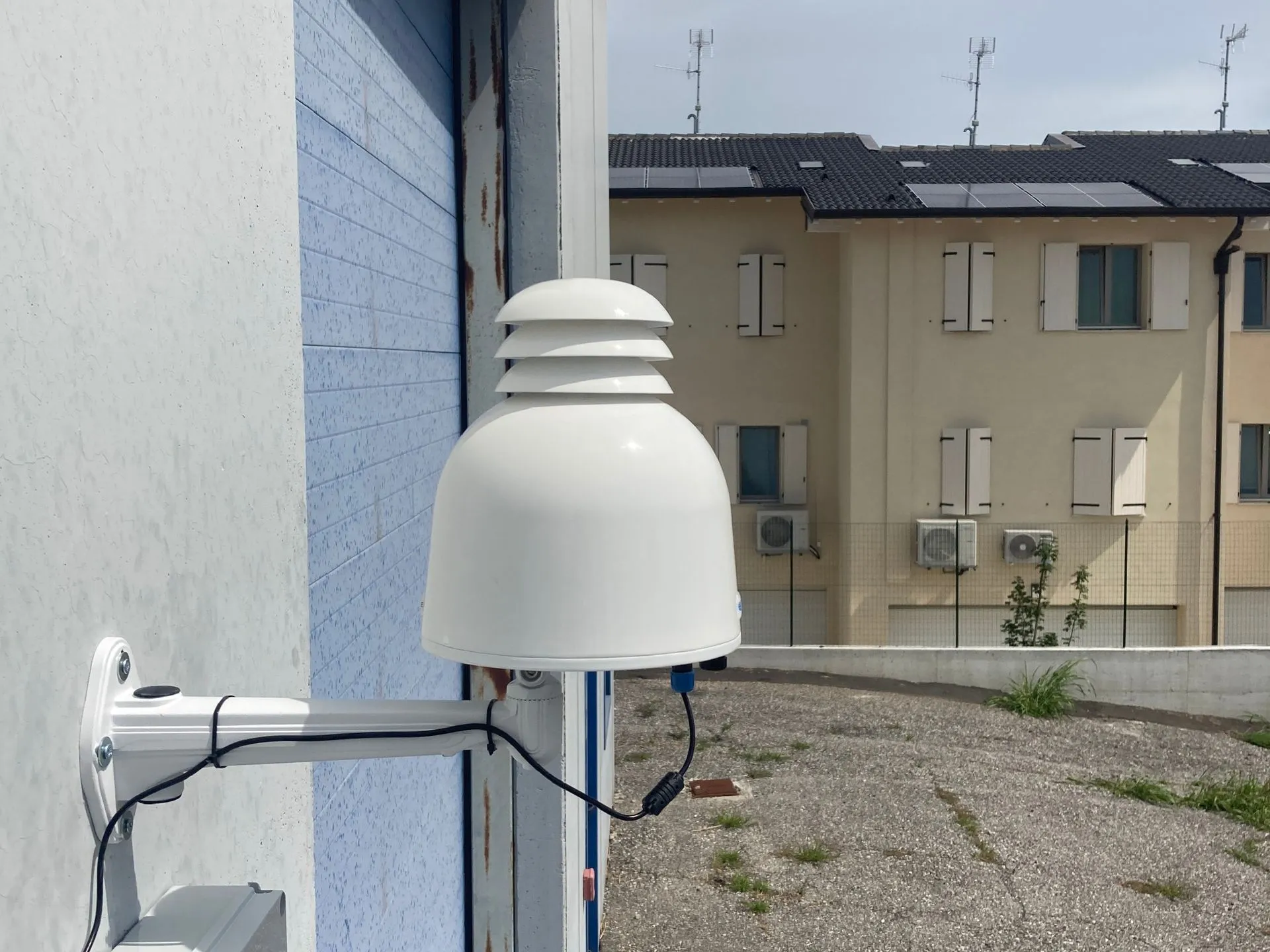
Building facade

Fixed installation on public, industrial or private building surfaces.

Urban furniture

Suitable for integration with street infrastructure and city assets.
Field installation

Tripod and temporary setups for field campaigns and mobile monitoring.
Connectivity & Data Management

From field devices to actionable air quality data

Aernode combines flexible field connectivity with cloud-based data management, enabling reliable transmission, device supervision and secure integration with reporting tools or external systems.
Aernode
Devices
Connectivity
Multiband Cellular
Wi-Fi
Modbus RTU (RS485)
Data Management
Aernode Cloud
Device management & data governance
Dashboards &
Reports
External
Platforms
Servicing & Maintenance

Smart maintenance, minimal downtime

Aernode is designed to simplify long-term network operation, combining remote supervision, field-replaceable components and flexible servicing workflows.

01

Remote supervision

Monitor device status, connectivity and operational performance across distributed networks, reducing the need for unnecessary site visits.
02

Field replacement

Preconfigured sensor kits and modular components support efficient on-site servicing, helping minimize downtime during fleet operation.
03

Lab servicing

When deeper technical intervention is required, devices or modules can be serviced through lab-based maintenance workflows.

Calibration & Data Quality

Built for reliable long-term measurements

Aernode is designed to support indicative air quality measurements through transparent data workflows, calibrated datasets, centralized post-processing and adaptable calibration methodologies.

01

Raw & adjusted datasets

Raw sensor measurements are preserved alongside post-processed datasets, supporting traceability, auditability and different analytical use cases.

02

Centralized post-processing

Calibration and adjustment models can be managed at platform level, enabling consistent data treatment across devices, projects and historical datasets.

03

Transparent calibration workflows

Calibration workflows are designed to keep the relationship between raw data, adjustment models and processed datasets visible over time.

Supported methodologies

Calibration strategies can be selected according to project objectives, site conditions and data quality requirements.
Collocation with reference station

Field comparison with reference-grade instrumentation to derive site-specific correction models.
Calibration with bottled gas

Controlled verification using certified gas mixtures to evaluate sensor response under known conditions.
Remote calibration

Model-based adjustment workflows using external environmental datasets and cloud-side post-processing.

Aernode is intended for supplemental and indicative air quality monitoring applications, supporting operational insight, environmental assessment and research use cases with reference to the quality objectives for indicative measurements provided by Directive (EU) 2024/2881.

FAQ

Frequently asked
questions

Technical answers on sensor configuration, deployment, calibration, maintenance and data access.

What pollutants and environmental parameters can Aernode monitor?

Aernode is a configurable multi-pollutant outdoor monitoring system. Every station includes air temperature, relative humidity and atmospheric pressure. Depending on the project configuration, the Core Sensor Board can add particulate matter (PM10, PM4, PM2.5 and PM1), CO2, T.VOC Index and sound level measurement.

The Sensor Deck extends the station with gas sensing options including NO2, O3, CO, SO2, NO, H2S, NH3, CL2, HCl, HCN, H2O2, PH3, ETO and PID-based VOC measurement. Compatible external meteorological sensors can also be connected.

What is the difference between Aernode Lite and Aernode Pro?

Aernode Lite and Aernode Pro use the same outdoor base station and Core Sensor Board. The difference is in the Sensor Deck: Aernode Lite supports configurations with up to four sensing elements, while Aernode Pro supports up to eight.

The two versions also differ in the range of compatible gas sensing options, allowing the station to be configured from compact multi-pollutant deployments to more advanced multi-gas monitoring projects.

Can the sensor configuration be adapted to different monitoring projects?

Yes. Aernode uses a modular sensing architecture, so the measurement configuration can be selected according to the pollutants of interest, expected concentration ranges, environmental conditions and objectives of the monitoring project.

The most appropriate configuration should be defined project by project rather than by maximizing the number of parameters, because sensor technology, sensitivity, cross-sensitivities, operating life and maintenance requirements can differ significantly between applications.

Can Aernode replace a regulatory reference monitoring station?

No. Aernode is intended for continuous indicative and supplementary air quality monitoring and is not designed to replace regulatory reference monitoring stations.

It can complement existing monitoring networks by increasing spatial and temporal coverage, supporting operational analysis and identifying trends or events in locations where reference instrumentation would not normally be deployed. Project configurations can be designed with reference to the data-quality objectives established for indicative measurements under Directive (EU) 2024/2881.

What infrastructure is required to install an Aernode monitoring station?

Aernode is designed for rapid outdoor deployment. A typical installation requires a suitable mounting point, a 5–15 Vdc power supply and the communication option selected for the project.

Stations can be installed on walls, poles, public-lighting structures, urban furniture, building facades or dedicated tripod supports. Where mains power is unavailable, an autonomous solar panel and battery kit can be used. Cloud-connected installations also require suitable cellular or Wi-Fi connectivity.

Can Aernode measurement data be accessed locally?

Yes. Aernode measurement data can be accessed locally through Modbus RTU (RS485). Local data output can be used either independently or in parallel with transmission to Aernode Cloud.

The local interface provides raw measurement data: the station performs the electrical signal processing and basic on-device compensation required to produce the local output, while the complete centralized post-processing and data-management workflow is handled in Aernode Cloud. If a project uses local data only, any additional downstream processing, storage and integration logic must be implemented by the interconnected system.

How should an Aernode monitor be calibrated for long-term deployment?

Aernode stations are delivered with manufacturer calibration information and an additional second-level calibration performed in the Aernode laboratory.

For long-term monitoring, site-specific performance characterization and periodic recalibration should be considered according to the pollutant, sensor technology and project objective. Available approaches include co-location with a reference station and bottled-gas procedures for compatible gas sensors. The appropriate method and frequency depend on the required data quality, local environmental conditions and available reference data.

How often do Aernode sensors need to be serviced or replaced?

Service and replacement intervals should be defined according to the sensing technology, pollutant, environmental conditions, exposure and performance requirements of the project. Gas sensors typically have shorter and more application-dependent operating lifetimes than the sensing technologies installed on the Core Sensor Board.

Aernode therefore uses replaceable Sensor Kits so the Core Sensor Board and Sensor Deck can be maintained independently. Complete preconfigured assemblies can be exchanged in the field to reduce downtime, while component-level servicing can be performed in the laboratory when appropriate.

Project configuration

Configure your Aernode monitoring station

Access the key product documents or contact our team to define the right sensor setup, connectivity option and data workflow for your monitoring project.