Air quality monitoring for research and field studies
Air quality research often requires measurements across multiple locations, pollutants and time scales.
Aernode provides configurable, distributed monitoring for field campaigns, environmental studies and long-term observation, generating continuous time-series data that can be compared across locations and integrated into academic or institutional data workflows.
More locations, longer studies, higher-frequency data
Reference-grade instrumentation remains essential where regulatory or high-accuracy measurements are required, but its acquisition, infrastructure and operating costs can limit the number of measurement points and the duration of field campaigns. Aernode provides a more accessible monitoring platform for research programmes that require greater spatial coverage and continuous, high-frequency environmental data.
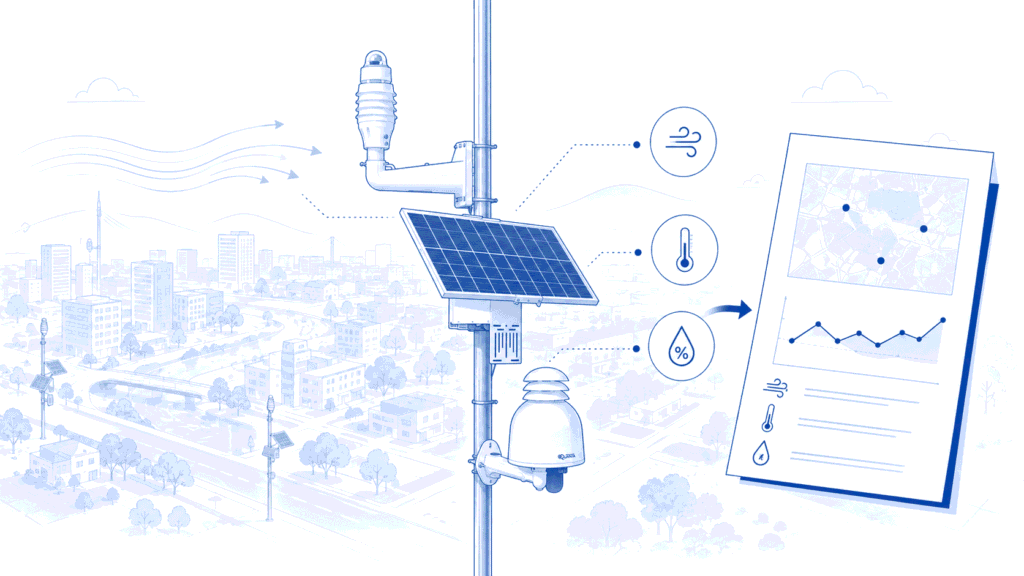
Multiple monitoring nodes can be deployed simultaneously and operated over extended periods, making it possible to investigate spatial variability, short-term dynamics, recurring patterns and longer-term trends that may be difficult to characterise with sparse or short-duration measurements alone. Aernode can also be used alongside reference instruments, co-location datasets and meteorological measurements as part of broader research and validation strategies.
Extend the spatial and temporal reach of air quality research
A more accessible monitoring platform makes it possible to deploy more measurement points, collect high-frequency data and sustain longer field studies within the practical constraints of research programmes and project budgets.
Increase spatial coverage
Lower deployment and operating costs make multi-node studies more practical, allowing researchers to observe differences between locations and investigate spatial variability beyond what a small number of high-cost instruments may capture.
Capture high-frequency dynamics
Continuous measurements at short acquisition intervals provide detailed time-series data for examining rapid variations, recurring patterns and short-duration events that may be missed by sparse or intermittent sampling approaches.
Extend field campaign duration
Accessible total cost of ownership enables monitoring to continue over longer periods, supporting the study of seasonal variability, recurring conditions and longer-term trends rather than limiting observation to short campaign windows.
Adapt the network to the study
Project-specific sensor configurations and distributed deployment allow researchers to select relevant parameters, compare multiple environments and adapt the monitoring architecture to different field-study objectives.
Complement reference instrumentation
Aernode can be deployed alongside reference instruments for co-location, comparison and validation strategies, combining reference measurements at selected locations with broader distributed coverage across the study area.
A monitoring network designed around the research question
Each deployment is configured around the parameters, spatial coverage, temporal resolution and comparison strategy required by the study, from compact field campaigns to larger distributed networks operating continuously over extended observation periods.
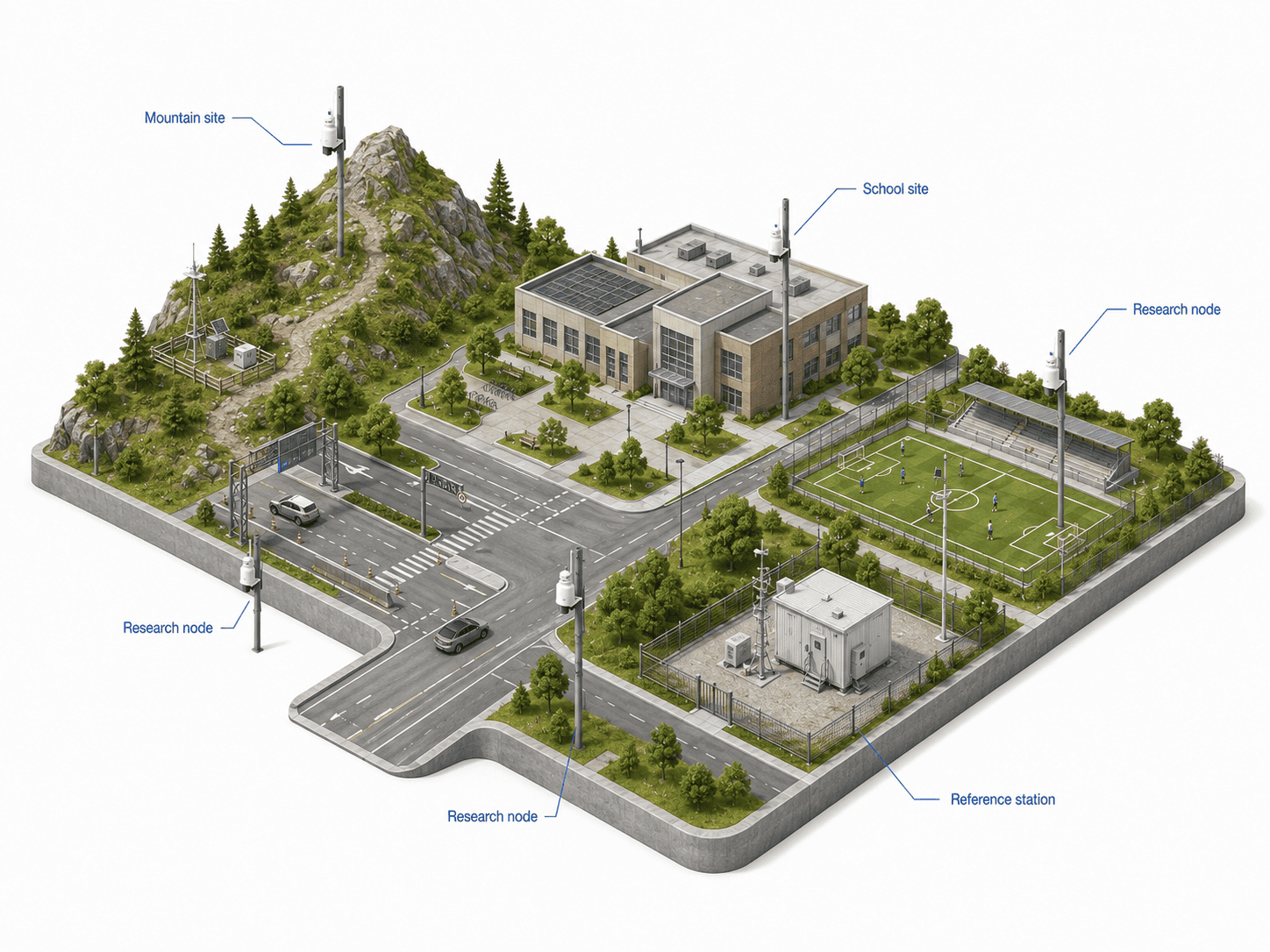
Define the research design
Identify the environmental variables, spatial comparisons, observation period and temporal resolution required by the study, together with any reference measurements or external datasets that will form part of the research methodology.
Configure and position the network
Select project-specific sensor configurations and distribute monitoring nodes across representative locations. Where required, selected units can be co-located with reference instrumentation to support comparison, calibration or validation strategies.
Build the research data workflow
Organise continuous high-frequency measurements together with meteorological data, reference datasets and other study inputs, creating a structured time-series dataset for comparison, analysis and integration into the wider research workflow.
Build the sensor configuration around the research question
| Parameter | How it can support air quality research |
|---|---|
|
PM₂.₅ / PM₁₀
Particulate matter
|
Continuous particulate measurements support the study of spatial variability, temporal patterns, episodic changes and differences between environments. Distributed nodes can provide additional measurement density across a study area while maintaining consistent time-series coverage. |
|
NO₂
Nitrogen dioxide
|
Nitrogen dioxide is relevant to research on combustion sources, traffic, urban environments and local air quality variability. Continuous measurements allow researchers to compare locations and examine how concentrations evolve over short and extended observation periods. |
|
O₃
Ozone
|
Ozone monitoring can support studies of atmospheric chemistry, diurnal and seasonal behaviour, meteorological influences and spatial differences between urban, peri-urban and other environments when interpreted within the wider study design. |
|
CO
Carbon monoxide
|
Carbon monoxide can provide an additional combustion-related variable for studies involving traffic, fuel combustion and other local sources. Multi-parameter monitoring allows CO trends to be examined alongside other pollutants and meteorological conditions. |
|
NH₃ / H₂S / SO₂
Specialty gases
|
Project-specific sensor configurations can extend monitoring to gases relevant to agricultural, industrial, waste, wastewater or other specialised research. This allows the measurement platform to be adapted to different experimental questions rather than relying on a fixed pollutant configuration. |
|
Meteo
Meteorological parameters
|
Wind, temperature, humidity and other meteorological variables provide essential explanatory context for environmental measurements and allow pollutant time series to be examined alongside atmospheric and site conditions. |
Monitoring configurations are project-specific; particulate matter, gaseous pollutants, VOC indicators, meteorological variables and other compatible parameters can be combined according to the research objectives, study design and required deployment strategy.
Explore the Aernode Components
Aernode Monitors
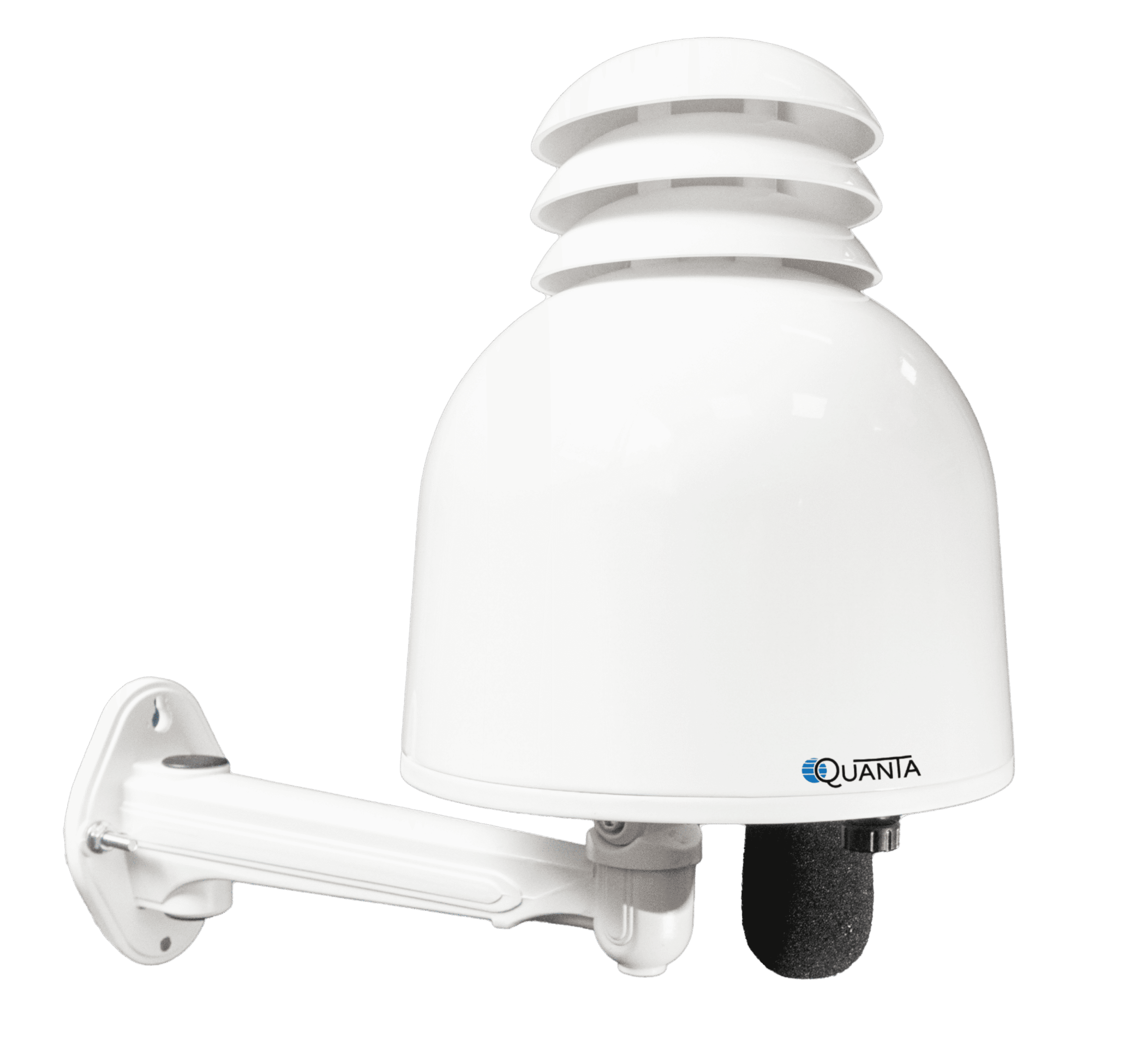
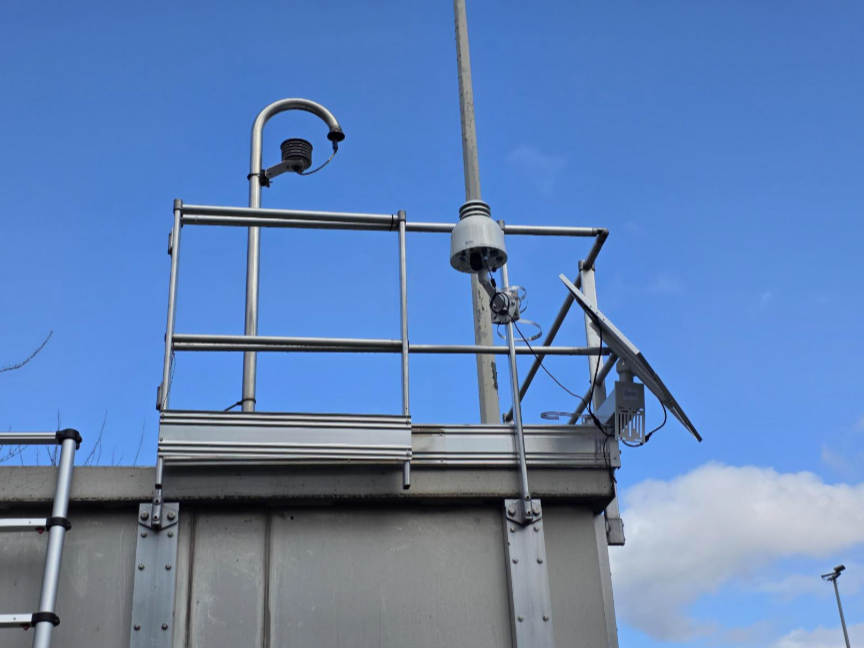
Configurable outdoor stations for continuous measurement of particulate matter, gaseous pollutants and environmental conditions across distributed monitoring networks.
- Site-specific pollutant configurations
- Continuous outdoor data acquisition
- Designed for single-site and multi-node networks

Aernode Cloud
A central environment for device supervision, data storage, post-processing and secure access to current and historical monitoring information.
- Remote network and device management
- Historical records and data continuity
- Authenticated integration through APIs
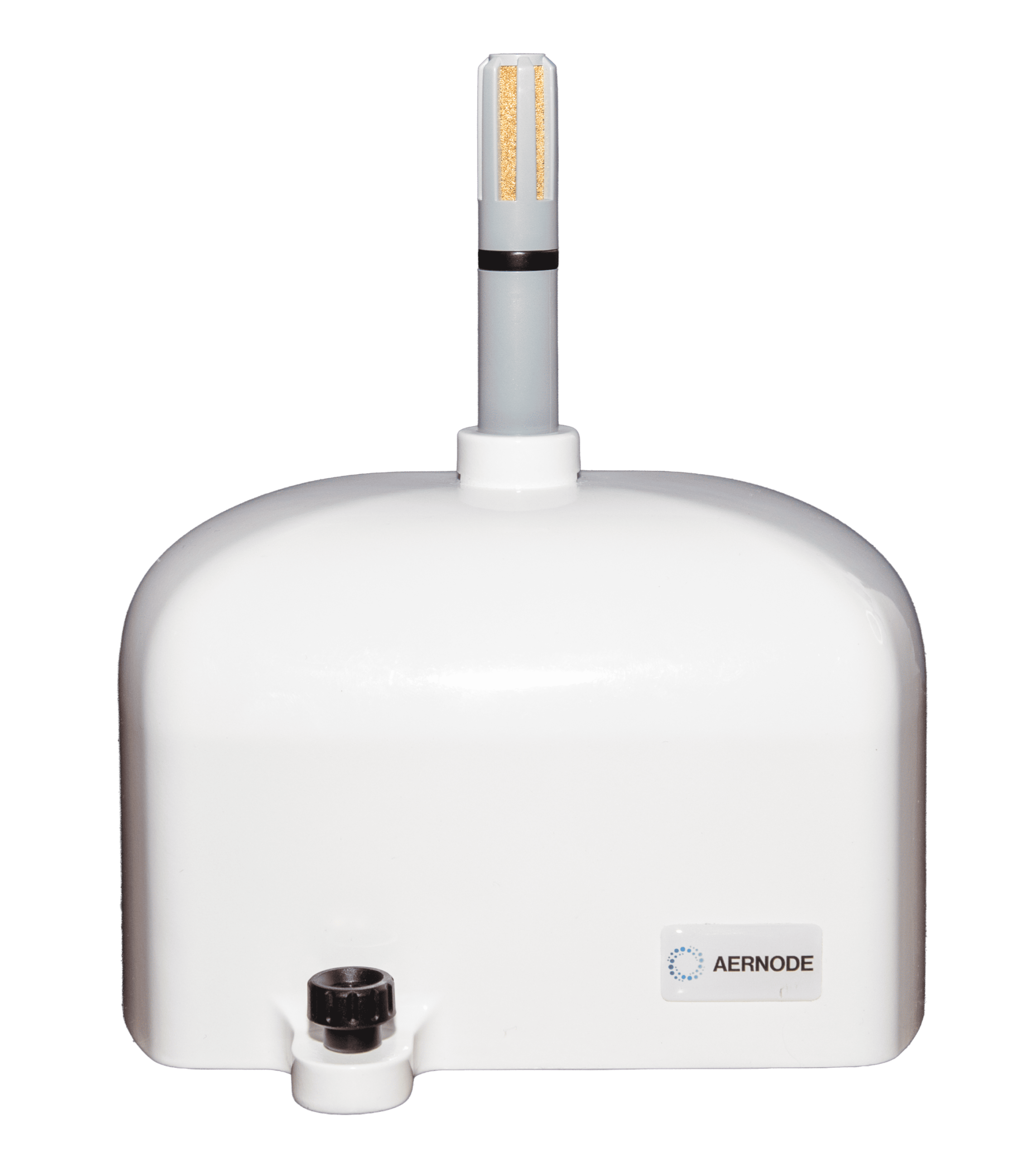
Sensor Kits
Preconfigured sensing assemblies that simplify pollutant selection, field servicing and configuration updates throughout the operating life of the network.
- Modular pollutant combinations
- Efficient field replacement
- Configuration tailored to project requirements
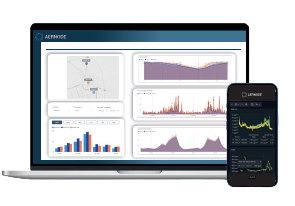
Reporting Tools
Digital environments for current conditions, historical analysis, automated outputs and communication with internal teams or external stakeholders.
- Real-time and historical dashboards
- Threshold alerts and scheduled reports
- Private and stakeholder-facing environments
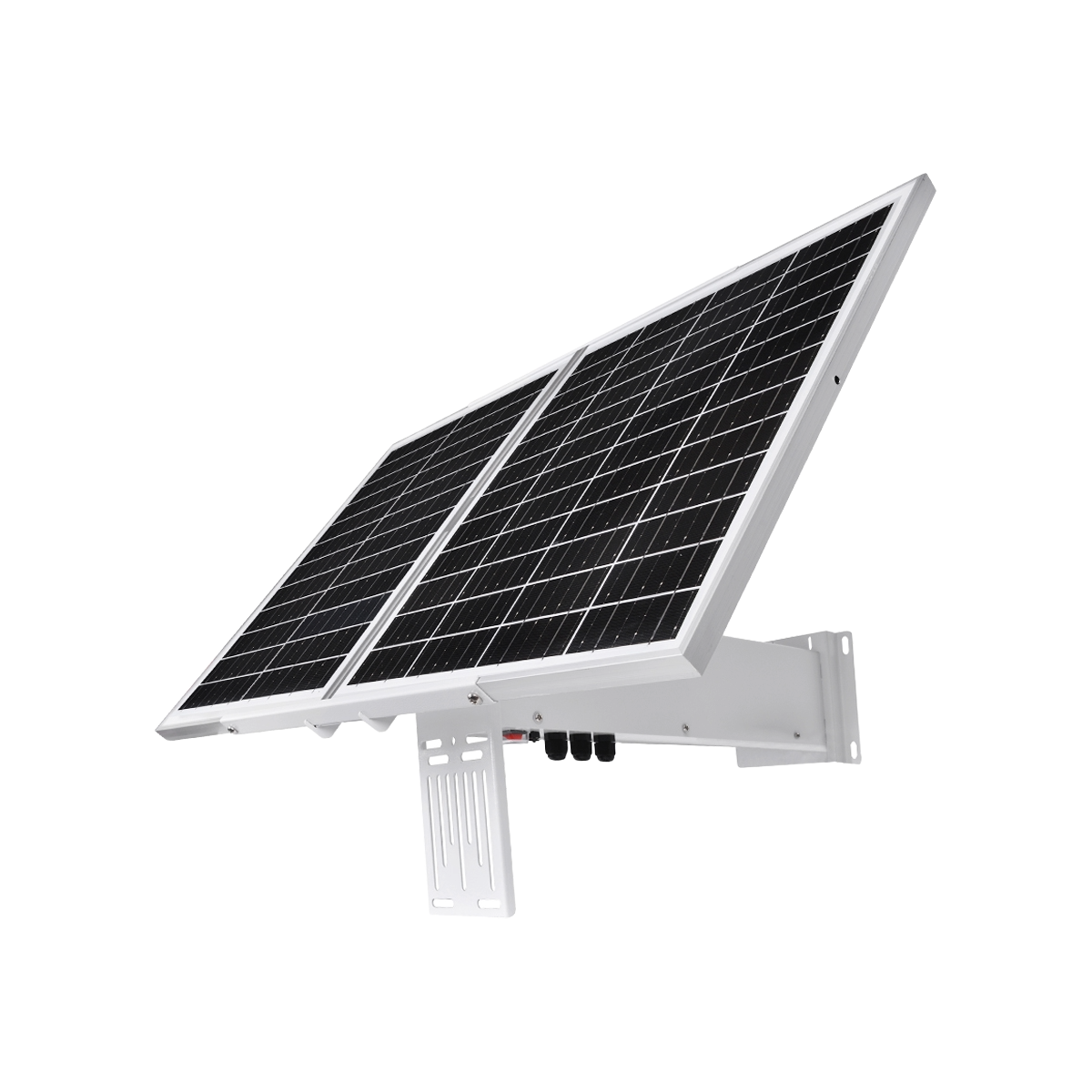
Accessories
Power, meteorological, mounting and connectivity options for fixed-site, perimeter and off-grid monitoring configurations.
- Weather stations and anemometers
- Solar power and autonomous deployment options
- Mounting and connectivity accessories
Build an air quality monitoring network around your research question
Define the right parameters, number of monitoring points, spatial distribution, acquisition frequency and data workflow to extend measurement coverage, support longer field studies and integrate continuous environmental data into your research programme.