Dust and air quality monitoring for construction sites
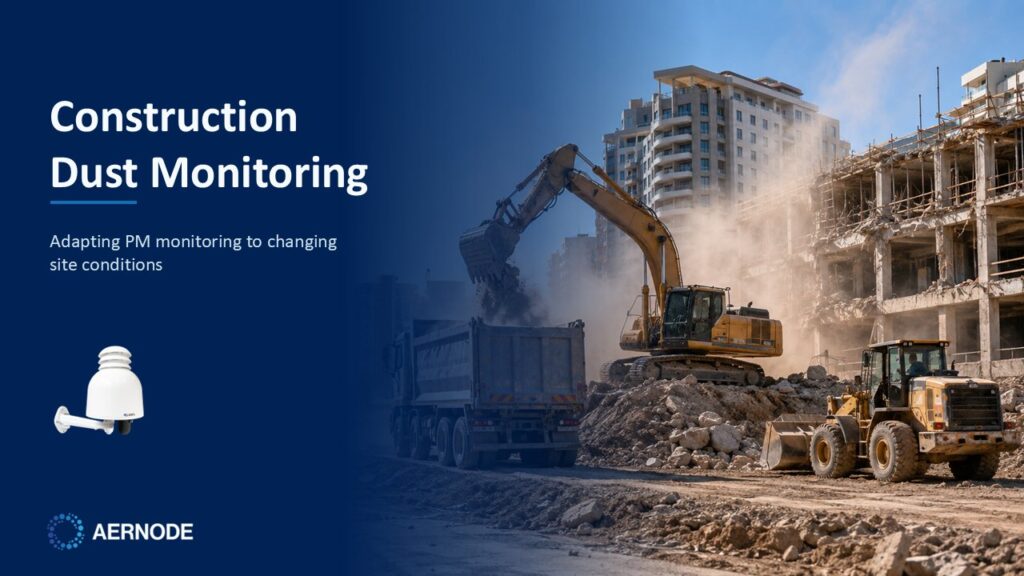
Construction and demolition activities create changing dust and emission patterns as earthworks, material handling, vehicle movements and demolition progress across the site. Aernode provides continuous monitoring around active work areas and site boundaries, helping project teams detect peaks, assess mitigation measures, investigate reported events and maintain structured environmental records throughout the works.
Continuous insight for proactive dust management
Construction and demolition sites change continuously as earthworks, demolition, material handling and vehicle movements shift across the project. Continuous monitoring makes short-lived dust peaks, recurring patterns and changing site conditions visible as they occur, adding high-frequency context between periodic inspections and measurements.
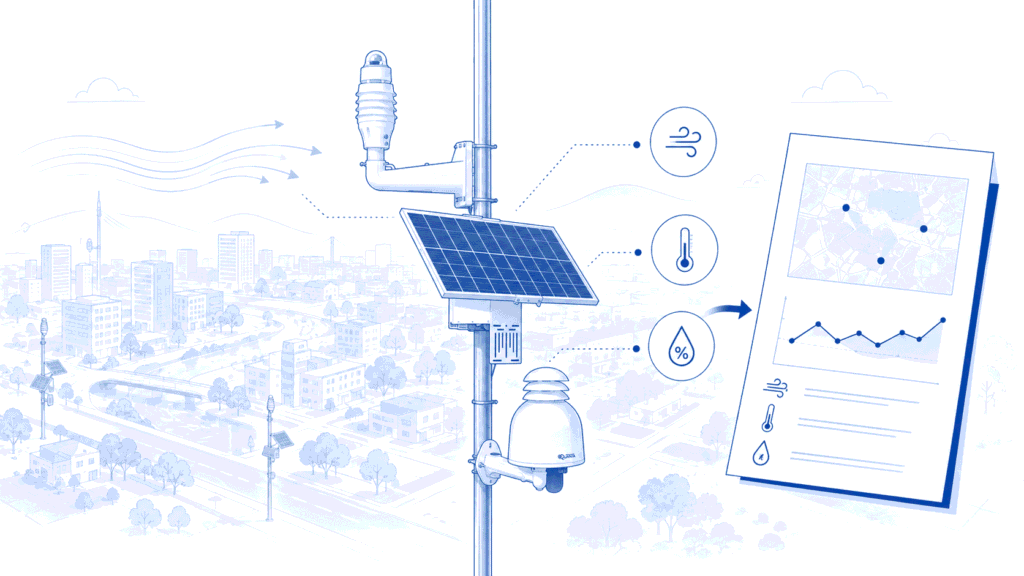
With monitoring nodes positioned around active work areas, site boundaries and sensitive receptors, project teams can relate changes in particulate levels to construction activities and local meteorology, investigate reported events and assess whether dust-control measures are delivering the intended effect throughout each phase of the works.
Operational value of continuous construction site monitoring
Continuous environmental data gives project teams greater visibility over dust-generating activities, mitigation measures and changing conditions throughout the works.
Continuous dust oversight across the site
A distributed network provides an ongoing view of particulate levels during demolition, earthworks, material handling and vehicle movements, capturing short peaks and recurring patterns that periodic checks may miss.
Proactive response to complaints and concerns
Continuous environmental records provide an existing evidence base to review reported events, relate observed conditions to site activity and meteorology, and respond more effectively to concerns from neighbours, clients or authorities.
Active monitoring with configurable alerts
Configurable thresholds and alerts highlight rising particulate levels while dust-generating activities are underway, helping site teams investigate conditions and implement mitigation measures promptly.
Verify the effectiveness of dust-control measures
Monitoring conditions before and after actions such as water spraying, wheel washing, stockpile covering or traffic-management changes helps teams assess whether mitigation measures are delivering the intended effect.
Structured records for project oversight
Consistent time-series data supports internal reviews, contractor reporting, environmental documentation and comparison of conditions across different construction and demolition phases.
A monitoring network that adapts as the site evolves
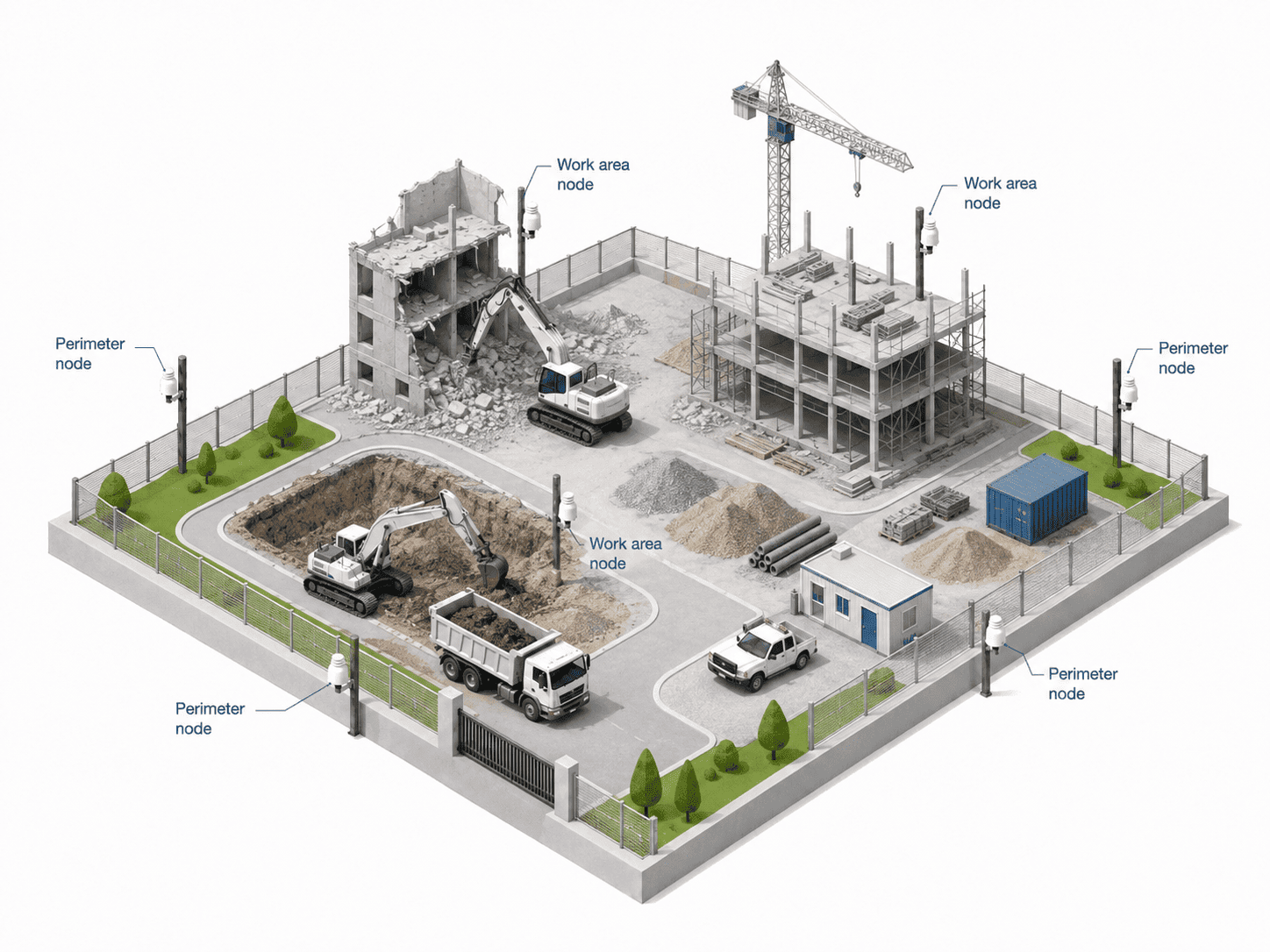
Each deployment is configured around site boundaries, sensitive receptors, dust-generating activities and the changing layout of the works, so monitoring remains relevant as the project progresses.
Define the monitoring priorities
Identify sensitive boundaries, neighbouring receptors, haul roads and the activities most likely to generate dust or combustion-related emissions during the works.
Configure and position the network
Select the relevant parameters and locate monitoring nodes according to active work zones, prevailing winds, exposed receptors, access points and site-specific monitoring objectives.
Adapt monitoring as works progress
As demolition, excavation and construction activities move across the site, node locations, alert thresholds and reporting workflows can be reviewed to maintain relevant monitoring coverage throughout the project.
Parameters commonly monitored on construction and demolition sites
| Parameter | Why it matters on construction sites |
|---|---|
|
PM₂.₅ / PM₁₀
Particulate matter
|
The primary parameter for construction and demolition monitoring. Excavation, demolition, cutting, stockpiles, material handling, unpaved surfaces and vehicle movements can generate short and highly variable dust peaks across the site and at its boundary. |
|
dB
Environmental noise
|
Heavy machinery, demolition equipment, piling and vehicle movements can create highly variable noise conditions. Continuous monitoring provides useful context for site management and the review of events affecting nearby receptors. |
|
NO₂ / NOx
Nitrogen oxides
|
Relevant where diesel-powered machinery, generators, trucks and other combustion sources operate intensively. Monitoring can help distinguish combustion-related variations from dust-dominated events around active work areas. |
|
CO
Carbon monoxide
|
A project-specific parameter where combustion engines, temporary generators or equipment operate in enclosed or semi-enclosed areas and exhaust conditions may vary with activity and ventilation. |
|
VOCs
Volatile organic compounds
|
Relevant for selected project phases involving fuels, solvents, coatings, waterproofing products or other VOC-emitting materials. Monitoring can support the investigation of changing conditions around specific activities. |
|
Wind
Speed and direction
|
Wind conditions provide essential context for interpreting dust movement and short-term events, helping relate measured concentrations to active work areas and understand potential transport towards site boundaries and nearby receptors. |
Monitoring configurations are project-specific; particulate matter is typically the primary parameter, while noise, gaseous pollutants and meteorological measurements are selected according to site activities, location and monitoring objectives.
Explore the Aernode Components
Aernode Monitors
Configurable outdoor stations for continuous measurement of particulate matter, gaseous pollutants and environmental conditions across distributed monitoring networks.
- Site-specific pollutant configurations
- Continuous outdoor data acquisition
- Designed for single-site and multi-node networks

Aernode Cloud
A central environment for device supervision, data storage, post-processing and secure access to current and historical monitoring information.
- Remote network and device management
- Historical records and data continuity
- Authenticated integration through APIs
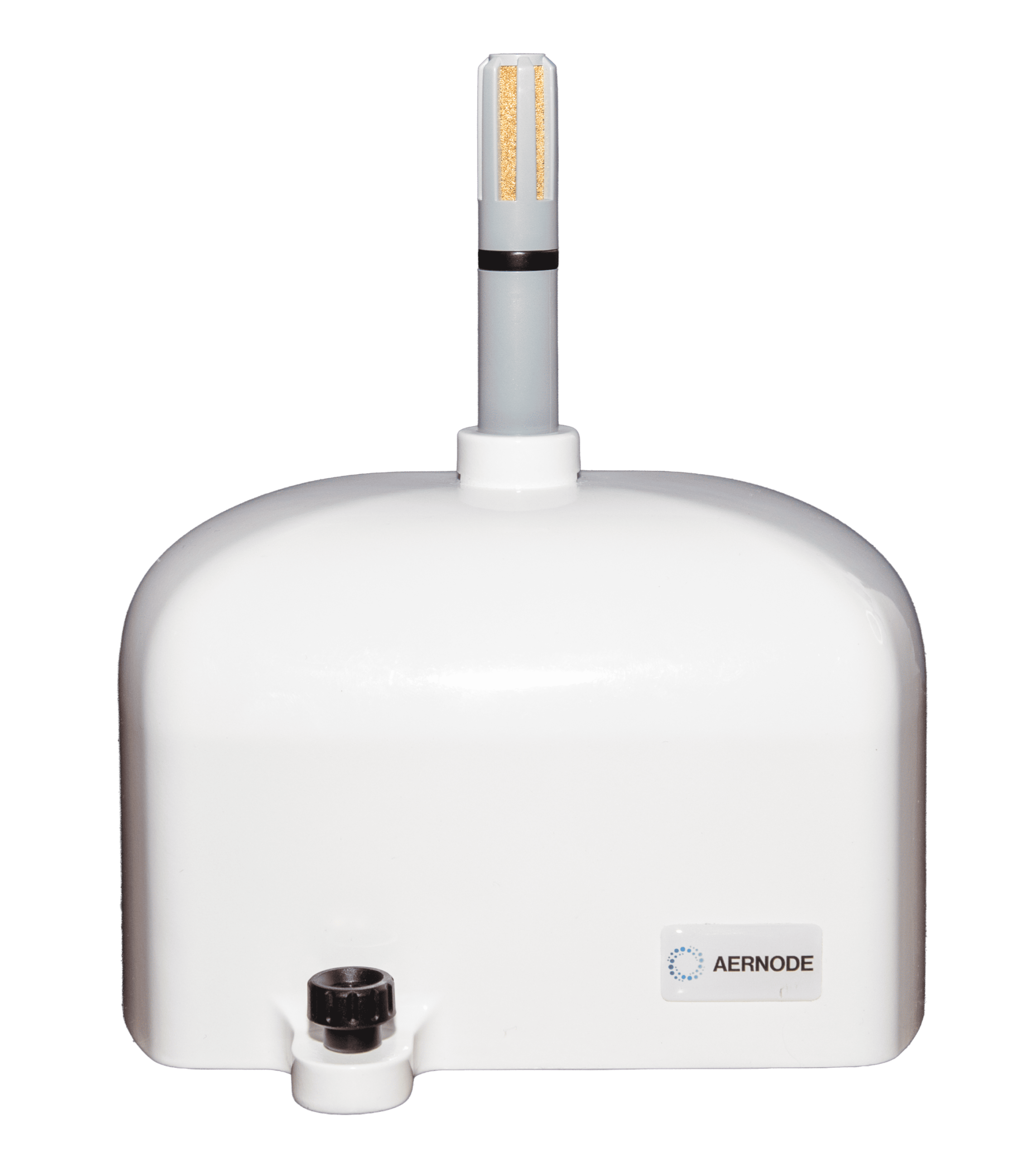
Sensor Kits
Preconfigured sensing assemblies that simplify pollutant selection, field servicing and configuration updates throughout the operating life of the network.
- Modular pollutant combinations
- Efficient field replacement
- Configuration tailored to project requirements
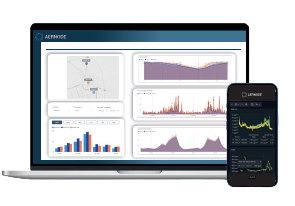
Reporting Tools
Digital environments for current conditions, historical analysis, automated outputs and communication with internal teams or external stakeholders.
- Real-time and historical dashboards
- Threshold alerts and scheduled reports
- Private and stakeholder-facing environments
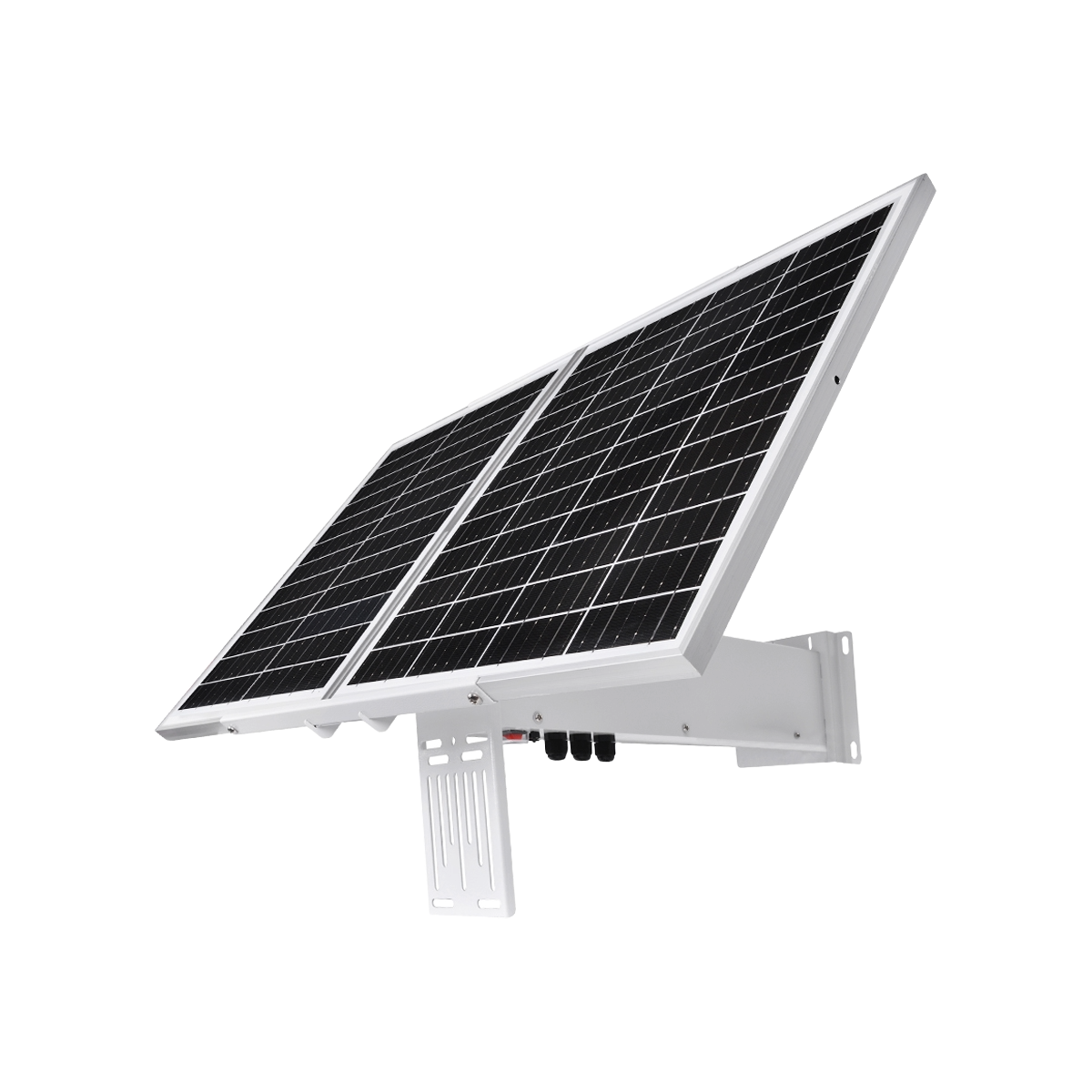
Accessories
Power, meteorological, mounting and connectivity options for fixed-site, perimeter and off-grid monitoring configurations.
- Weather stations and anemometers
- Solar power and autonomous deployment options
- Mounting and connectivity accessories
Plan a monitoring network for your construction or demolition site
Define the right monitoring parameters, node placement, connectivity and reporting workflow for continuous environmental oversight throughout the project.