
Air Quality Monitoring Resources
Guides, technical articles and field case studies covering sensing technologies, network design, calibration, data quality and environmental monitoring applications.
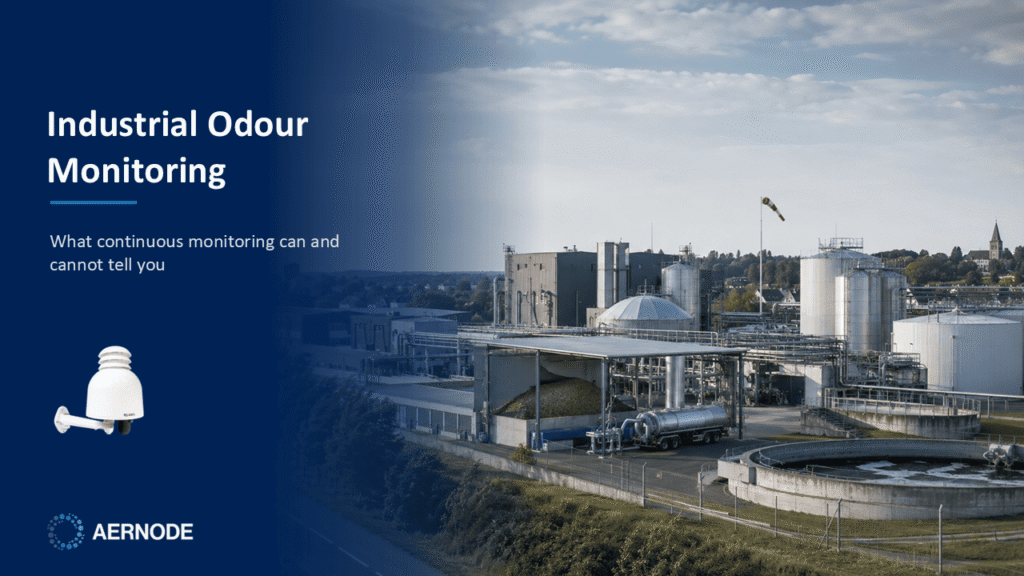
What Continuous Air Monitoring Can—and Cannot—Tell You About Industrial Odours
Industrial odour events are often intermittent. Continuous chemical monitoring can fill the temporal gap when indicators are process-relevant and surrogate claims are supported by demonstrated relationships.
Read resource
Continuous Environmental Noise Monitoring: Applications, Data and Limits
Understand where continuous environmental noise monitoring fits, what long-term and distributed measurements can reveal, and when a more specialised acoustic assessment may be required.
Read resource
Municipal Weather Monitoring Networks: Temperature, Rainfall, Wind and Local Environmental Data
Learn how municipalities can design local weather monitoring networks for temperature, rainfall and wind, with practical guidance on siting, data quality, integration and operational use.
Read resource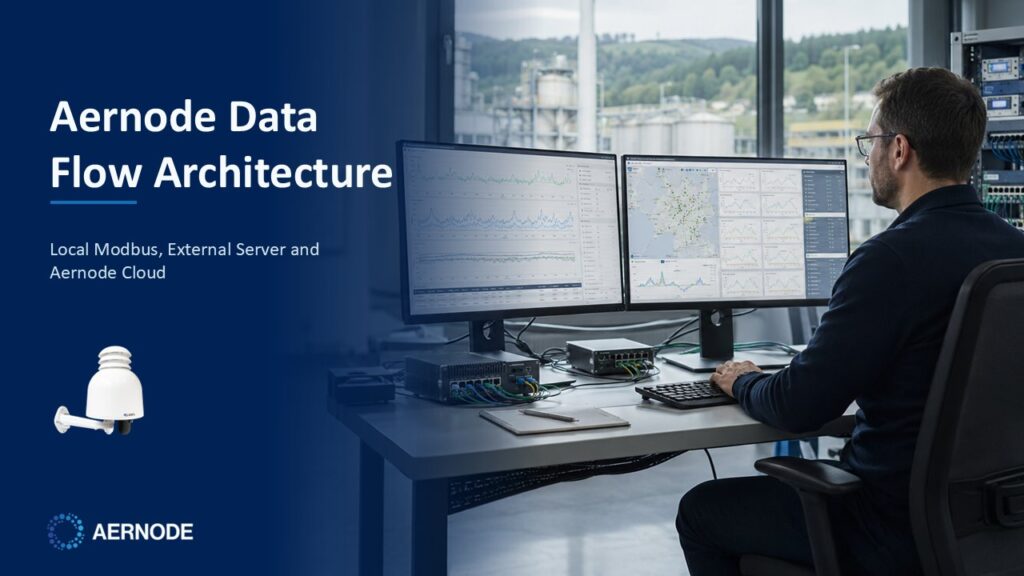
Aernode Data Flow Architecture: Local Modbus, External Server and Aernode Cloud
See how Aernode data can be accessed locally through Modbus, transmitted directly to an external server or managed through Aernode Cloud, and how data state and processing differ across each path.
Read resource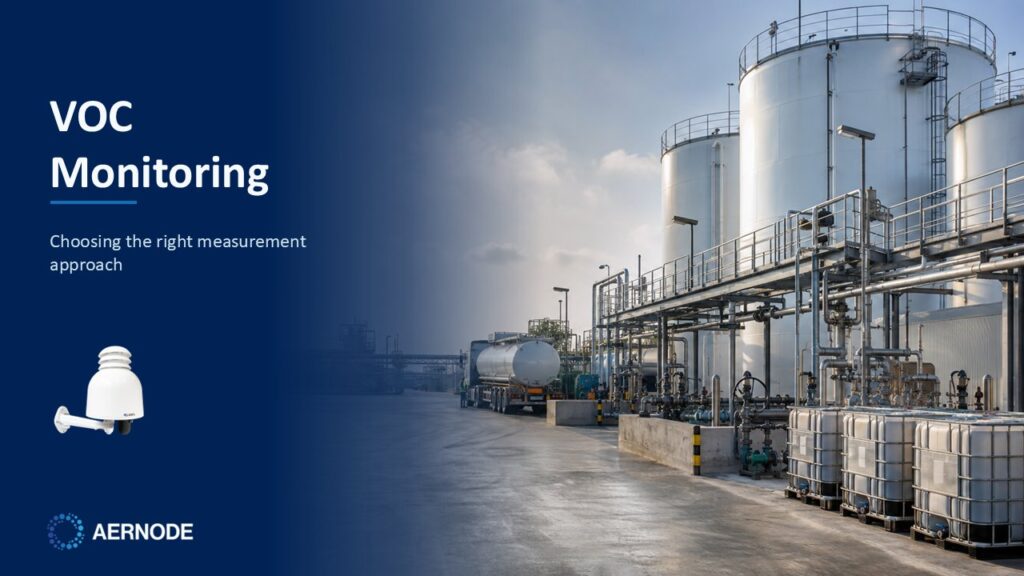
VOC Monitoring with Compact Sensors: MOX and PID Explained
Understand the main VOC measurement approaches, where compact continuous sensors fit, and how MOX and PID technologies provide different outputs for environmental monitoring.
Read resource
PM2.5 vs PM10: What the Difference Means for Environmental Monitoring
PM2.5 and PM10 describe different particle-size fractions. Learn how their sources, behaviour and measurement differ, and how to choose the right fraction for an environmental monitoring objective.
Read resource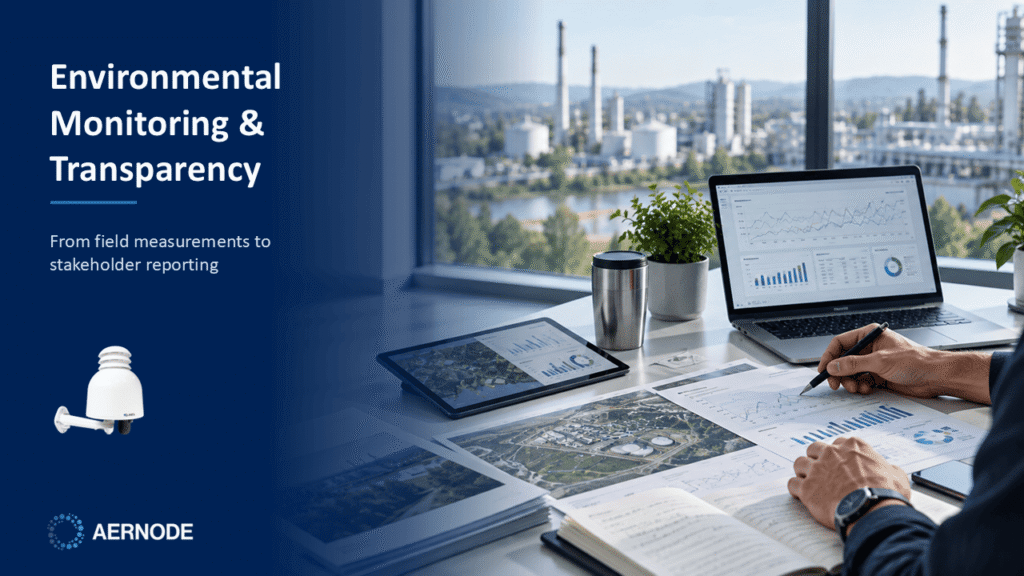
Environmental Monitoring and Industrial Transparency: From Measurements to Stakeholder Reporting
Continuous environmental monitoring supports industrial transparency when measurements remain traceable, quality-managed and contextualized. Learn how governed evidence moves from field data to stakeholder reporting.
Read resource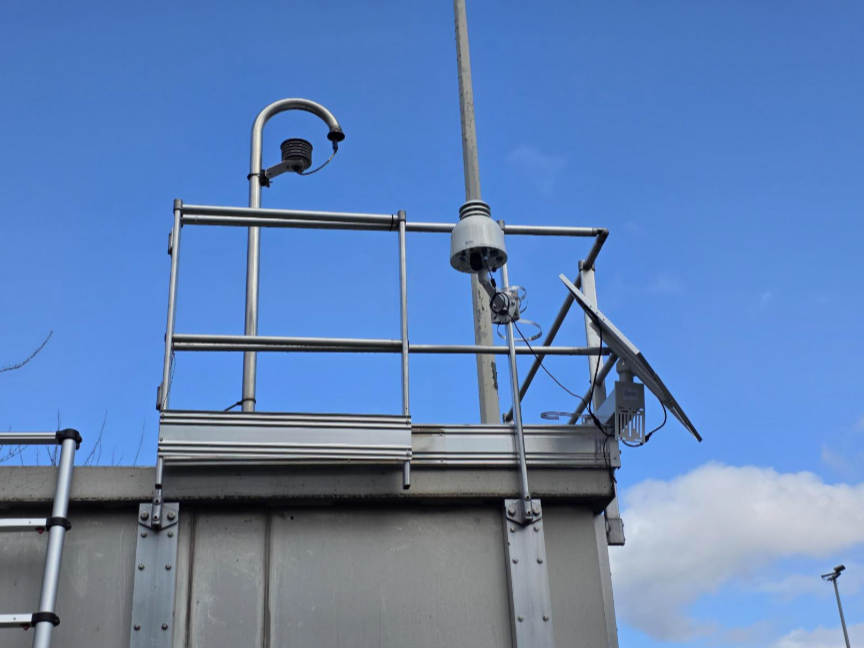
Calibration and Data Quality in Sensor-Based Air Monitoring: Why They Matter
Understand why calibration matters in sensor-based air monitoring, how field and laboratory approaches differ, what drift changes, and how ongoing QA protects data quality.
Read resource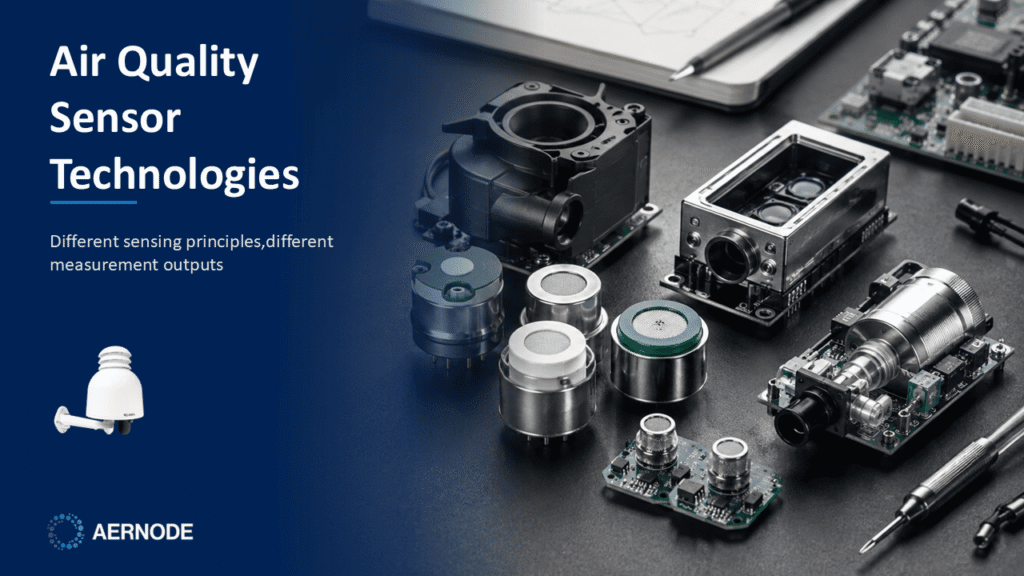
Air Quality Sensor Technologies Explained: OPC, Electrochemical, NDIR, PID and MOX
Understand how OPC, electrochemical, NDIR, PID and MOX technologies are used in continuous sensor-based air-quality monitoring, what their outputs mean, their main limitations and how to select a fit-for-purpose approach.
Read resource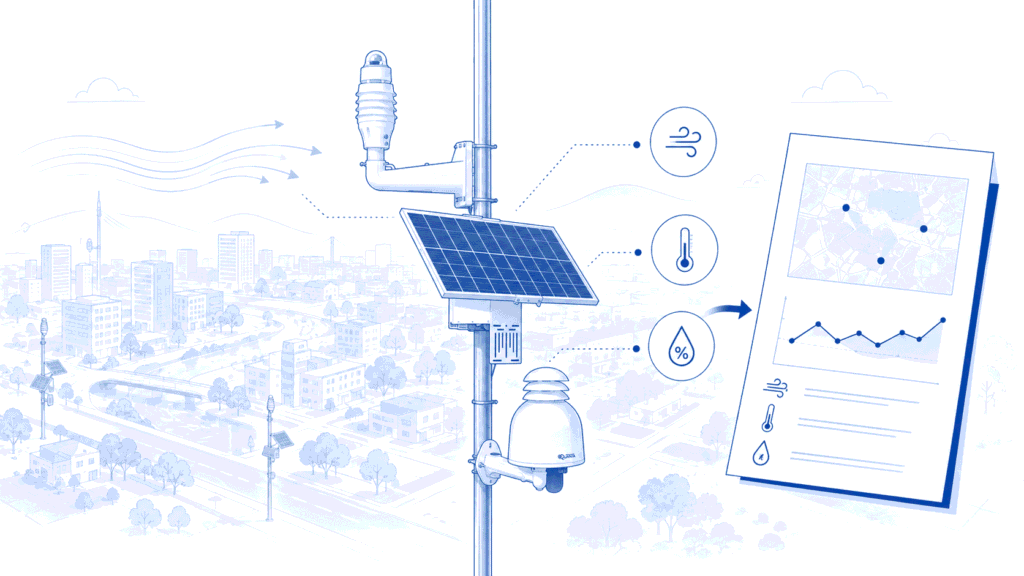
Meteorological Data in Air Quality Monitoring: Why Wind, Temperature and Humidity Matter
Wind, temperature and humidity affect pollutant transport, atmospheric mixing and particulate behaviour. Learn how meteorological data adds context to continuous air-quality measurements without turning correlation into source attribution.
Read resource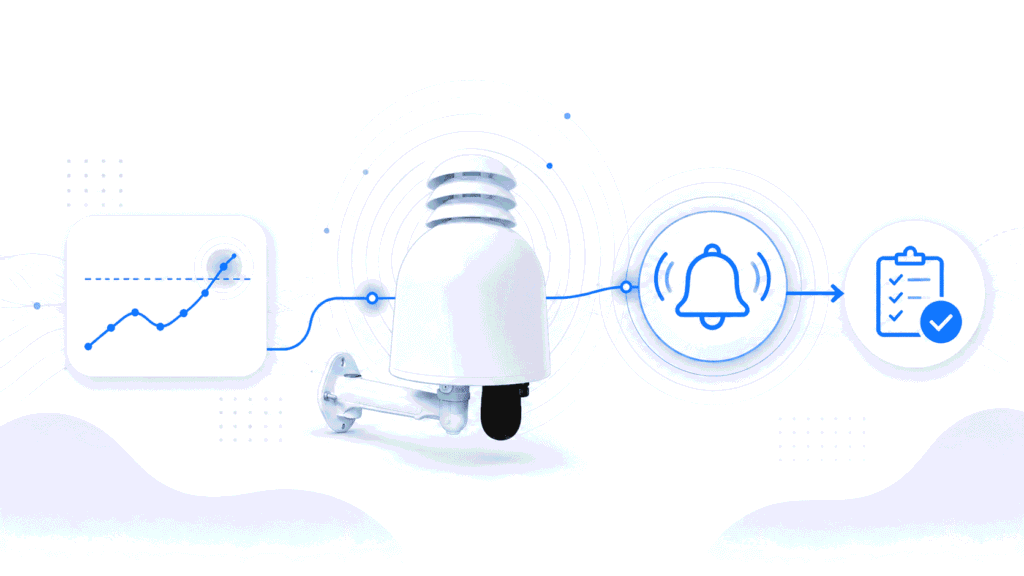
Air Quality Monitoring Alerts: From Thresholds to Investigation and Response
Useful air-quality alerts combine a threshold with the right evaluation time basis, persistence, data checks and a defined response. This Article explains how to configure alerts that support investigation instead of notification noise.
Read resource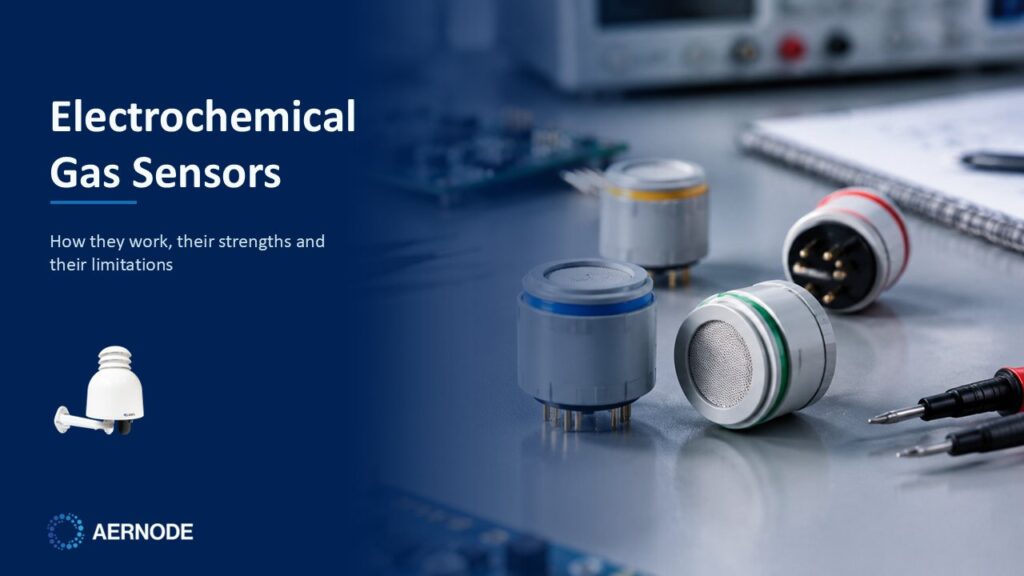
Electrochemical Gas Sensors for Ambient Air Monitoring: Strengths and Limitations
Learn how electrochemical gas sensors measure ambient pollutants, including their main strengths, cross-sensitivities, environmental effects, calibration needs and sensor-life limitations.
Read resource