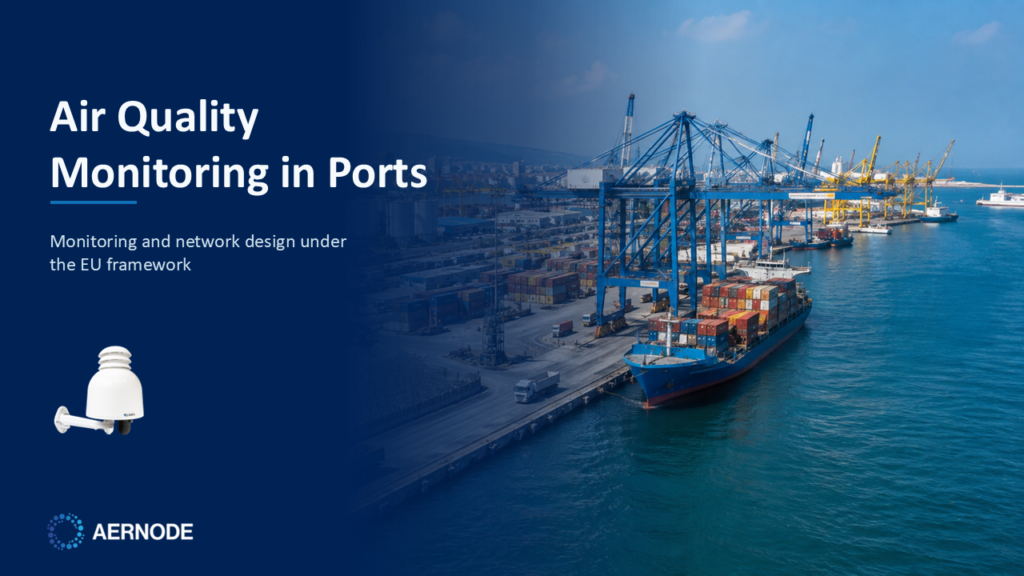

In June 2025, the TREASURE project published the TREASURE Catalogue of Innovative Solutions for Environmental Quality Improvement in and around Mediterranean Ports. Aernode Pro is featured within the catalogue’s “Improvement of air quality” challenge as an outdoor monitoring technology for complex port environments.
TREASURE is an Interreg Euro-MED project focused on environmental quality in Mediterranean port areas. The catalogue states that solutions were reviewed against criteria including innovation and maturity, relevance to the identified environmental challenge and environmental impact.
Catalogue inclusion provides external recognition of Aernode Pro’s relevance to port environmental-monitoring applications. Catalogue inclusion does not constitute regulatory certification or independent performance validation.

Why the catalogue inclusion matters for ports
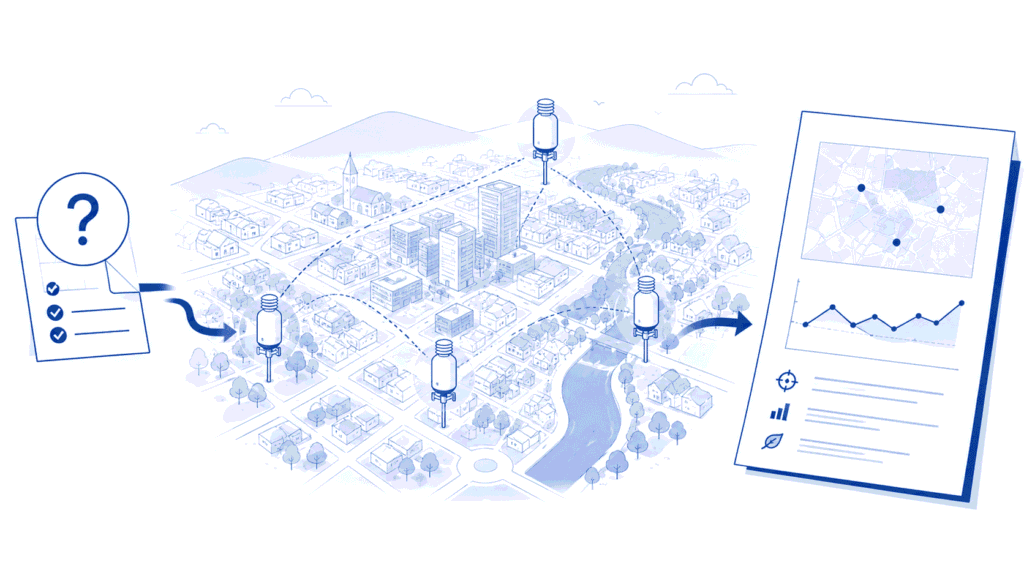
Port environments combine vessel movements, cargo handling, terminal equipment, road traffic and logistics activities across large and operationally complex areas. Distributed monitoring can add spatial and temporal information across terminals, access roads, operational zones, port boundaries and the port-city interface, helping environmental teams compare conditions between locations and over time.
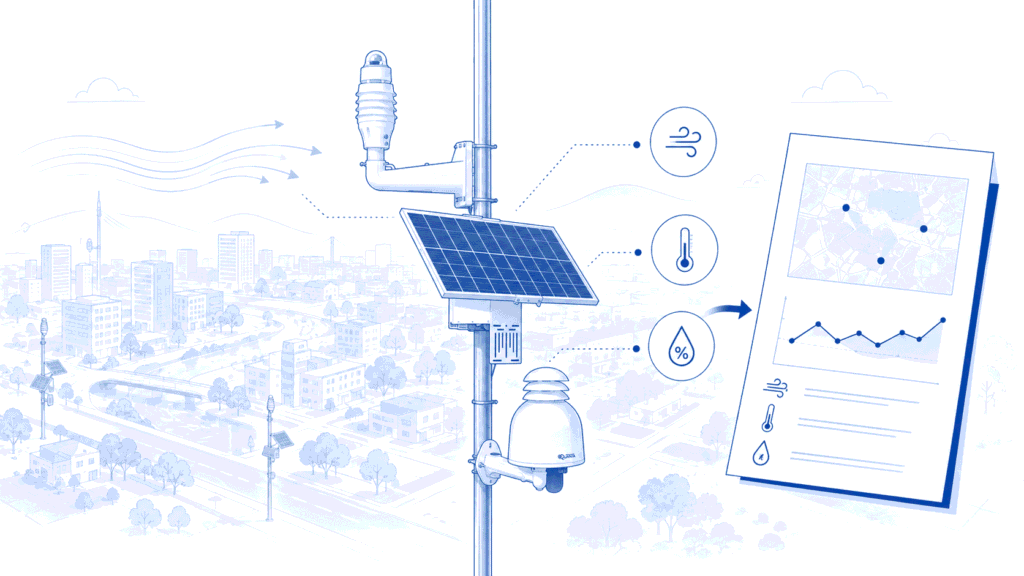
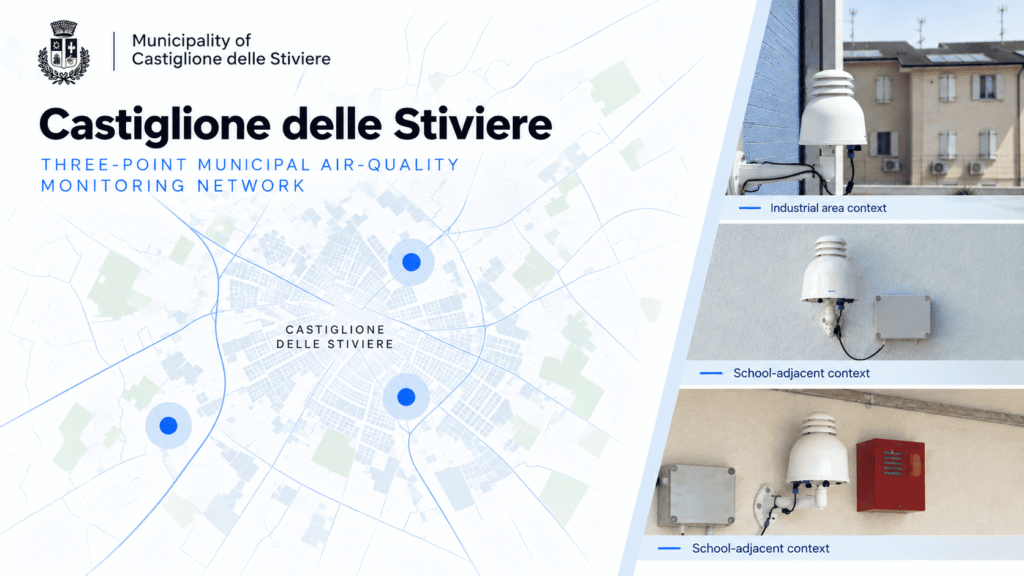
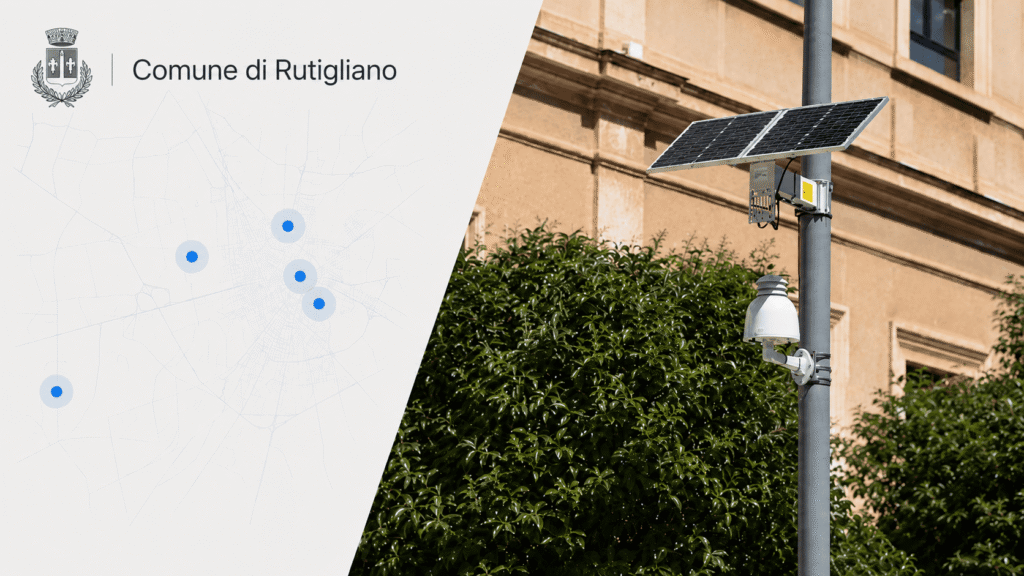
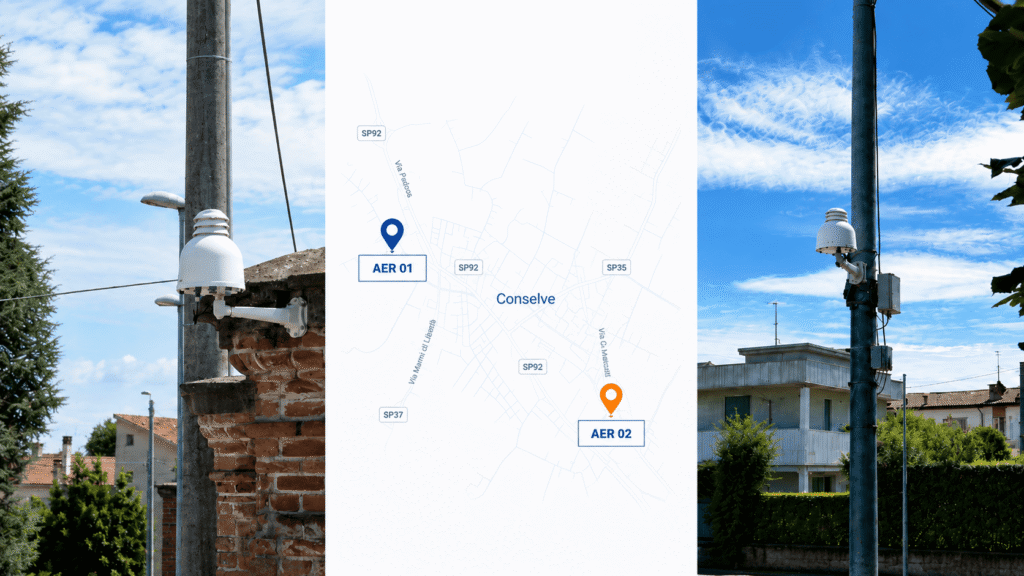
The Aernode Air Quality Monitor provides a configurable outdoor platform for continuous measurement of particulate matter, gaseous pollutants and environmental conditions. Because port activity changes across space and time, a single monitoring point may not represent conditions across different operational areas. Multiple monitoring points can provide a more detailed picture of how conditions vary across the site. For projects considering air quality monitoring for ports and terminals, monitoring locations and configuration should be selected around the questions the programme needs to answer. Local distributed monitoring can complement competent-authority monitoring and assessment; it does not replace it.
In port environments, monitoring locations may need to reflect terminal activity, logistics areas, access corridors and the port-city interface. As with any deployment, the appropriate configuration depends on the monitoring objective, selected parameters, siting and data-quality requirements.